
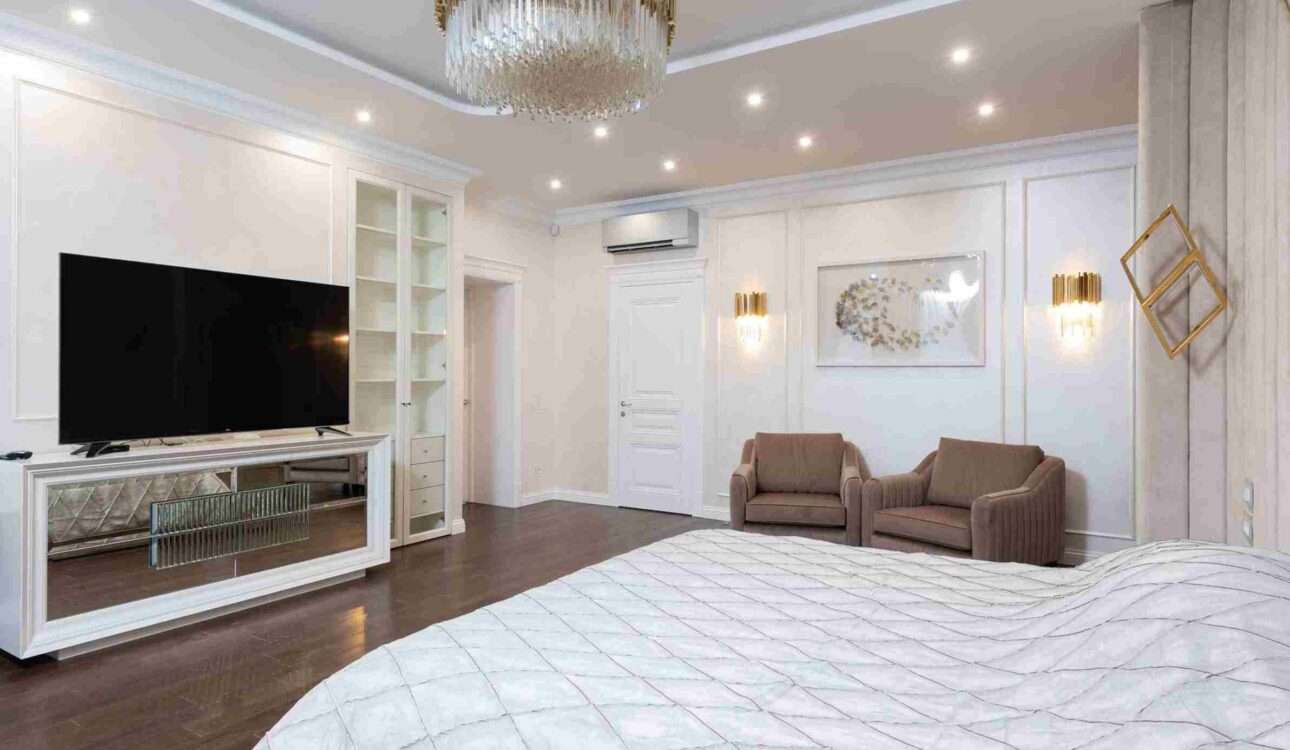
A well-designed ceiling can completely change the appearance and atmosphere of a bedroom. While walls, furniture, flooring, and lighting usually receive most of the attention, the ceiling plays an equally important role in creating a comfortable and visually balanced space. For homeowners planning a new bedroom or renovating an existing one, choosing the right bedroom ceiling design in Vizag can make the room look more elegant, spacious, and relaxing.
Vizag homes experience a warm and humid coastal climate, so bedroom ceiling design should not be based on appearance alone. Material selection, ventilation, lighting, maintenance, ceiling height, and electrical planning should also be considered before finalizing a design.
Whether you prefer a minimal false ceiling, a warm wooden-style ceiling, a modern gypsum design, or a statement ceiling with concealed lighting, there are many possibilities for different bedroom sizes and budgets.
This guide explores practical and stylish ceiling ideas, materials, lighting options, planning tips, and factors to consider when selecting a ceiling design for a bedroom in Vizag.
Why Is Bedroom Ceiling Design Important?
The ceiling is one of the largest uninterrupted surfaces in a bedroom. Its design can influence how the entire room feels.
A carefully planned ceiling can:
- Improve the visual proportions of the bedroom
- Provide a place for ambient and decorative lighting
- Hide selected electrical wiring and fixtures
- Create zones within a larger bedroom
- Add architectural character
- Make a plain room feel more sophisticated
- Complement wardrobes, beds, wall colours, and flooring
- Create a relaxing atmosphere for sleeping
However, a ceiling should not be designed simply to look attractive in photographs. It should work with the room’s height, ventilation, furniture arrangement, lighting requirements, and overall interior style.
Popular Bedroom Ceiling Design Ideas in Vizag
There is no single ceiling style that works for every bedroom. The best choice depends on the room size, ceiling height, interior theme, and homeowner’s preferences.
Simple False Ceiling Design
A simple false ceiling is suitable for homeowners who prefer a clean and uncluttered bedroom.
Instead of covering the entire ceiling with multiple layers and decorative elements, a simple design can use a border, recessed portion, or central ceiling panel.
This approach works particularly well in:
- Compact bedrooms
- Modern apartments
- Minimalist interiors
- Guest bedrooms
- Rooms with limited ceiling height
A simple ceiling combined with warm LED lighting can provide an elegant appearance without making the bedroom feel visually crowded.
Gypsum Ceiling With Cove Lighting
Gypsum is commonly used for creating modern false ceiling forms because it can be shaped into different profiles.
A gypsum ceiling with concealed cove lighting can produce a soft glow around the edges of the ceiling. This indirect illumination is particularly useful in bedrooms because it creates a calmer atmosphere than relying entirely on bright direct lights.
The cove lighting can be combined with:
- Recessed spotlights
- Bedside wall lights
- Pendant lights
- Adjustable downlights
The key is to use lighting layers rather than making every part of the ceiling equally bright.
Wooden-Effect Ceiling Design
Wood-inspired ceiling finishes can introduce warmth into a bedroom.
A complete wooden ceiling may not suit every room or budget, but wood-effect panels or selected wooden accents can be used to create a sophisticated feature.
This style works well with:
- Neutral walls
- Warm lighting
- Wooden wardrobes
- Upholstered beds
- Natural textures
For a coastal city such as Vizag, material selection and maintenance should be discussed with the interior professional before installing any wood-based ceiling treatment.
Tray Ceiling Design
A tray ceiling creates a recessed or raised central section, giving the ceiling additional depth.
The central area can be highlighted using:
- Cove lighting
- A chandelier or pendant
- Decorative panels
- A contrasting finish
- A subtle ceiling colour
Tray ceilings are particularly effective in larger master bedrooms where there is enough visual space for architectural detailing.
Minimal Border Ceiling
A ceiling border around the perimeter of the bedroom is one of the simplest ways to introduce architectural detail.
The border can accommodate concealed lighting and create a subtle frame around the room.
This option is useful when you want:
- A clean appearance
- Soft ambient lighting
- Minimal construction
- Easy coordination with modern furniture
Feature Ceiling Above the Bed
Another approach is to concentrate the ceiling treatment around the bed area.
A ceiling panel can visually connect with the headboard wall, creating a unified bedroom feature.
For example, a vertical wall panel behind the bed can continue onto the ceiling through a wooden-effect or textured element. This creates a stronger focal point without requiring an elaborate design throughout the room.
Simple Bedroom Ceiling Design in Vizag: What Works Best?
If you specifically want a simple bedroom ceiling design in Vizag, focus on proportion rather than excessive decoration.
A practical simple design can include:
- A clean gypsum perimeter
- Concealed warm LED lighting
- A few recessed downlights
- A central fan point
- Minimal decorative detailing
- Colours that complement the walls
For smaller bedrooms, avoid overly deep false ceiling drops because they can make the room feel shorter.
Simple Ceiling Planning Checklist
Before approving the design, check:
- Is enough ceiling height available?
- Where will the fan be positioned?
- Where will the AC unit be installed?
- Are electrical points properly planned?
- Will the ceiling interfere with wardrobes?
- Is there enough access for future maintenance?
- Does the lighting provide adequate illumination?
- Are moisture-resistant materials required?
- Does the design match the bedroom furniture?
A simple ceiling is successful when it feels intentional rather than empty.
Bedroom Ceiling Design in Vizag Latest Trends
Homeowners searching for bedroom ceiling design in Vizag latest ideas will find that contemporary bedroom interiors are increasingly moving toward cleaner forms and layered lighting rather than heavily decorated ceilings.
Some current design directions include:
Layered Lighting
Instead of one central light, modern bedrooms often use multiple lighting sources.
A combination may include:
- Cove lighting
- Recessed lights
- Bedside lights
- Accent lighting
- Decorative pendant lighting
This allows the homeowner to create different lighting moods.
Minimal Geometric Forms
Straight lines, rectangular frames, recessed panels, and simple geometric shapes can give the ceiling a modern architectural appearance.
The design should complement the room instead of becoming the only visual focus.
Warm Lighting
Warm lighting can make a bedroom feel more comfortable and relaxing.
It is particularly effective when used indirectly around a ceiling perimeter or behind architectural details.
Ceiling and Headboard Coordination
A growing design approach is to connect the ceiling visually with the headboard wall.
The same material, colour, texture, or geometric line can be repeated across both surfaces to create continuity.
Clean White Ceilings With Accent Details
A white or neutral ceiling can make a room feel brighter and more open. Rather than adding multiple colours, designers can introduce contrast through lighting, wood accents, wall panels, or furniture.
Ceiling Material Comparison
Different materials offer different advantages. The correct selection depends on design complexity, budget, maintenance requirements, and room conditions.
| Ceiling Material | Design Flexibility | Appearance | Maintenance | Suitable For |
|---|---|---|---|---|
| Gypsum board | High | Modern and smooth | Moderate | False ceilings and layered designs |
| POP | High | Decorative | Moderate | Curves and ornamental details |
| PVC panels | Moderate | Clean and practical | Relatively easy | Moisture-prone applications |
| Wood/wood-effect panels | Moderate | Warm and premium | Depends on material | Feature ceilings |
| Metal ceiling systems | Moderate | Contemporary | Durable | Selected modern interiors |
No material is universally better. The choice should be based on the bedroom’s conditions and the desired design.
How to Choose the Right Bedroom Ceiling Design
Choosing a ceiling from an online image is easy. Choosing one that works in your actual bedroom requires more planning.
Consider Bedroom Size
A compact bedroom generally benefits from a visually light ceiling.
Large layered designs can make small rooms appear more crowded.
For a larger master bedroom, you can consider:
- Tray ceilings
- Larger recessed panels
- Feature lighting
- Decorative ceiling zones
- Wood-effect accents
Check Ceiling Height
Ceiling height is one of the most important factors.
A false ceiling reduces the available vertical space. If the original ceiling is already low, an elaborate drop ceiling may make the bedroom feel compressed.
A designer should therefore evaluate the actual site dimensions before finalizing the design.
Plan Lighting Before Construction
Lighting should be planned before the false ceiling is constructed.
Decide the location of:
- Fan
- Downlights
- Cove lights
- AC-related electrical requirements
- Decorative fixtures
- Emergency or maintenance access where required
Changing electrical points after the ceiling has been completed can create unnecessary work.
Match the Interior Style
The ceiling should support the overall bedroom design.
| Bedroom Style | Suitable Ceiling Direction |
|---|---|
| Minimalist | Simple recessed ceiling |
| Modern | Geometric gypsum design |
| Contemporary | Cove lighting and clean lines |
| Luxury | Layered ceiling with controlled accents |
| Natural | Wood-effect details |
| Small bedroom | Light, shallow ceiling treatment |
Step-by-Step Guide to Planning a Bedroom Ceiling
Step 1: Measure the Room
Record the length, width, and existing ceiling height.
Also note:
- Doors
- Windows
- Wardrobes
- AC location
- Fan position
- Existing electrical points
Step 2: Identify the Bedroom’s Main Feature
Decide whether the focal point should be:
- The bed
- Headboard wall
- Ceiling lighting
- Artwork
- A decorative ceiling panel
This helps prevent too many competing design elements.
Step 3: Select the Ceiling Style
Choose between a simple border, recessed ceiling, tray ceiling, cove-lit design, or another suitable option.
Step 4: Select Materials
Discuss the appropriate material with your interior designer or contractor based on the room’s requirements.
Step 5: Plan Lighting
Create a lighting layout before construction begins.
Consider both decorative appearance and practical illumination.
Step 6: Review the 3D Design
If possible, review a 3D visualization before installation.
This makes it easier to identify problems with proportions, lighting positions, and furniture coordination.
Step 7: Confirm Electrical and Maintenance Access
Ensure that required electrical connections and serviceable components remain accessible.
Step 8: Complete Installation and Finishing
After the framework and boards are installed, finishing, painting, and lighting installation can be completed according to the approved design.
Bedroom Ceiling Lighting Ideas
Lighting can determine whether a ceiling feels ordinary or sophisticated.
Cove Lighting
Cove lighting creates indirect illumination and can visually emphasize the ceiling’s perimeter.
Recessed Downlights
Downlights provide focused illumination and can be arranged according to the bedroom’s functional areas.
Pendant Lighting
A pendant fixture can become a decorative focal point, particularly when positioned thoughtfully near the bed or a seating area.
Bedside Lighting
Wall-mounted bedside lights can reduce the need for strong ceiling illumination when reading or relaxing.
Layered Lighting
A combination of ambient, task, and accent lighting gives homeowners greater control over the bedroom atmosphere.
Common Bedroom Ceiling Design Mistakes
Even an attractive ceiling can create problems when it is poorly planned.
Making the Design Too Complicated
Too many layers, shapes, colours, and lights can make a bedroom feel busy.
Ignoring Ceiling Height
A design that looks excellent in a large room may not work in a compact bedroom.
Using Too Many Bright Lights
Bedrooms generally benefit from flexible lighting rather than excessive brightness.
Forgetting Maintenance
Fans, lights, electrical components, and AC-related areas may require future access.
Choosing Materials Only for Appearance
Material suitability should be considered alongside appearance, durability, maintenance, and room conditions.
Copying an Online Design Exactly
An inspiration image may have completely different dimensions, lighting conditions, furniture, and ceiling height.
Use reference images for ideas, but adapt the design to the actual bedroom.
How Much Does a Bedroom False Ceiling Cost in Vizag?
The cost can vary considerably depending on the room size, material, design complexity, lighting, labour, finishing, and project specifications.
Instead of relying on a single fixed price, homeowners should request a detailed quotation covering:
- Ceiling material
- Framework
- Labour
- Electrical work
- Lighting fixtures
- Painting or finishing
- Decorative elements
- Additional carpentry
- Any required access panels
Cost Planning Checklist
Before approving a quotation, ask:
- What material is being used?
- What is included in the labour cost?
- Are lights included?
- Is painting included?
- Are electrical modifications included?
- What finishing standard is included?
- Is maintenance access provided?
- Are additional charges possible?
A transparent quotation makes it easier to compare proposals accurately.
Bedroom Ceiling Design for Different Room Sizes
Small Bedroom
Choose:
- Minimal borders
- Light colours
- Shallow ceiling drops
- Recessed lighting
- Simple geometric forms
Avoid visually heavy designs.
Medium Bedroom
You have more flexibility to combine:
- Cove lighting
- Recessed panels
- Simple geometric details
- Feature areas
Large Master Bedroom
A larger room can accommodate:
- Tray ceilings
- Layered lighting
- Feature panels
- Wood-effect accents
- More defined ceiling zones
However, larger does not necessarily mean more decorative. Proportion remains important.
Bedroom Ceiling Design and Interior Coordination
The ceiling should not be treated as an isolated element.
For a cohesive bedroom, coordinate the ceiling with:
- Bed design
- Headboard
- Wardrobe shutters
- Wall colour
- Flooring
- Curtains
- Lighting
- Decorative accessories
For example, if the bedroom already contains strong wooden textures, a subtle wood-effect ceiling accent may provide continuity. If the room uses a minimalist neutral palette, a simple white ceiling with warm indirect lighting may be more appropriate.
Final Checklist Before Installing a Bedroom Ceiling
Use this checklist before construction begins:
- Room dimensions measured
- Existing ceiling height checked
- Ceiling design approved
- Material selected
- Fan location confirmed
- Lighting plan completed
- Electrical points confirmed
- AC location considered
- Wardrobe height checked
- Maintenance access considered
- Finishing and paint selected
- Detailed quotation reviewed
- 3D design or drawing approved
Final Thoughts
The right bedroom ceiling design in Vizag should combine visual appeal with practical planning. A simple ceiling with carefully positioned warm lighting can be just as effective as a more elaborate design, particularly when the bedroom is compact.
For homeowners looking for a simple bedroom ceiling design in Vizag, focus on clean lines, suitable proportions, subtle lighting, and easy maintenance. If you are exploring bedroom ceiling design in Vizag latest trends, consider layered lighting, geometric forms, recessed panels, and coordinated headboard-ceiling designs.
Most importantly, select the ceiling according to your actual room dimensions, ceiling height, furniture layout, lighting requirements, and overall interior concept. A well-planned ceiling should enhance the bedroom without overpowering it.
A suitable bedroom ceiling depends on the room’s size, ceiling height, interior style, lighting requirements, and budget. Simple gypsum designs, recessed ceilings, and cove-lit ceilings are common options for modern bedrooms.
A simple bedroom ceiling design usually uses clean borders, recessed sections, minimal geometric detailing, and concealed or recessed lighting. It is particularly suitable for compact and modern bedrooms.
Current design directions include minimalist geometric forms, layered lighting, concealed cove lighting, recessed panels, coordinated headboard-ceiling designs, and natural-looking accent materials.
Yes, but the design should be proportionate to the room. A shallow, visually light false ceiling with appropriate lighting can work well, while deep or heavily layered designs may make a small room feel lower.
Start by considering the room’s functional requirements. A combination of ambient lighting, recessed lights, cove lighting, and bedside fixtures can provide flexibility without making the bedroom excessively bright.