
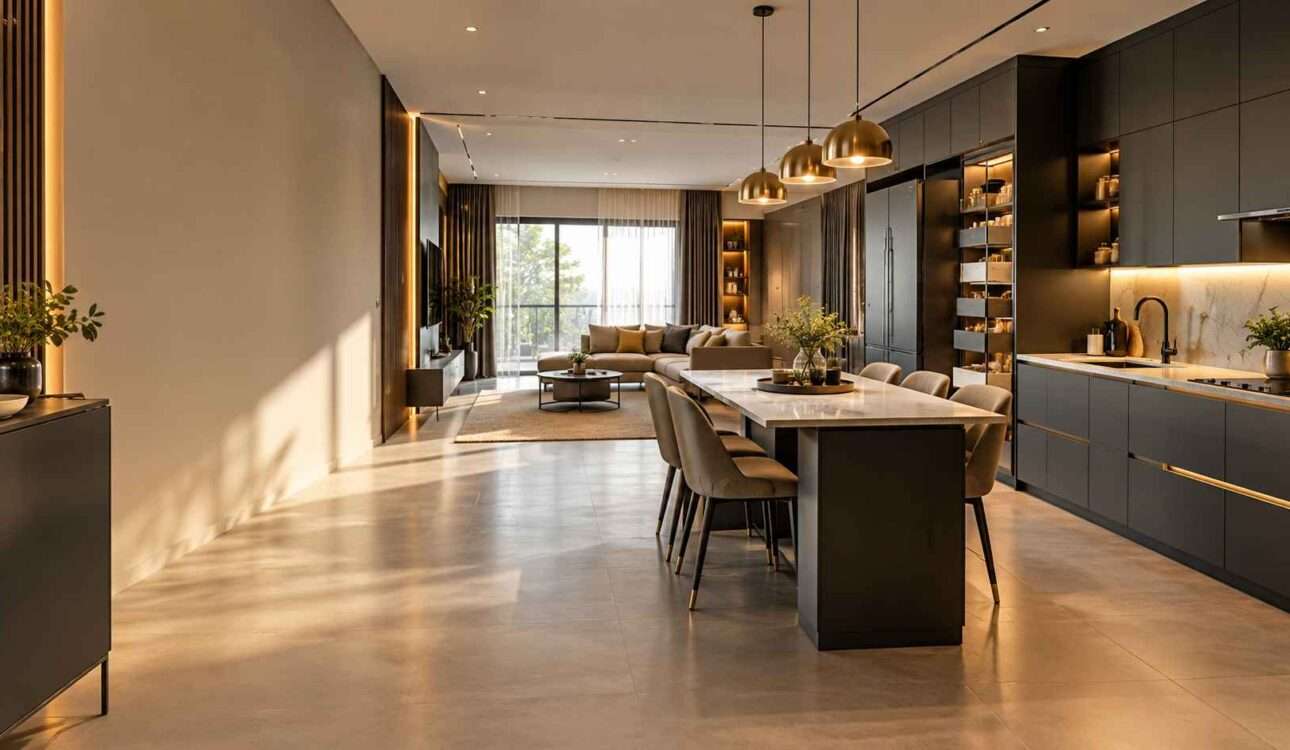
Hiring an interior designer can make your home more functional, attractive, and comfortable, but one of the first questions homeowners ask is: how much do interior designers charge?
The answer depends on several factors, including the size of your home, project scope, design complexity, location, materials, level of customization, and the designer’s pricing model.
Some interior designers charge per square foot, while others use a fixed project fee, percentage-based pricing, hourly rates, or a combination of these methods. Therefore, two homes with the same carpet area can have very different interior design costs.
If you are planning a new home, renovation, modular kitchen, bedroom makeover, living room redesign, or complete interior project, understanding the pricing structure can help you create a realistic budget and avoid unexpected expenses.
What Determines How Much Interior Designers Charge?
There is no single price that applies to every interior design project. Designers generally consider several factors before preparing a quotation.

1. Size of the Property
The size of your home is one of the most important factors affecting interior design costs.
A 2-bedroom apartment may require less design work, furniture, storage, and material than a large 4-bedroom house.
For example, the designer may calculate the project according to:
- Total carpet area
- Number of rooms
- Kitchen size
- Number of bathrooms
- Living and dining areas
- Balcony or utility areas
- Custom furniture requirements
A larger property does not always mean the cost per square foot will remain exactly the same. The final rate can change according to the level of customization.
2. Scope of Interior Design Work
Another important factor is what you actually want the designer to do.
A basic design consultation is very different from complete turnkey interior execution.
Your project might include:
- Space planning
- 2D layouts
- 3D designs
- False ceiling
- Modular kitchen
- Wardrobes
- TV units
- Bedroom furniture
- Lighting
- Electrical planning
- Flooring
- Wall treatments
- Curtains and soft furnishings
- Custom furniture
- Décor and accessories
- Project management
- Installation and execution
The more services included, the higher the overall project cost can become.
How Much Do Interior Designers Charge Per Square Foot?
Interior designers can charge per square foot when the pricing model is based on the size of the area being designed or executed.
However, there is no universal per-square-foot rate. The amount can vary considerably based on the location, materials, project scope, customization, and designer or company.
A useful way to understand the calculation is:
Estimated Interior Cost = Area × Applicable Rate
For example, if a designer quotes a hypothetical rate of ₹1,500 per sq. ft. for a 1,000 sq. ft. project:
1,000 × ₹1,500 = ₹15,00,000
This is only an example of how the calculation works. It should not be treated as a standard market rate.
What Can Be Included in a Per-Square-Foot Quote?
Before accepting a quotation, ask the designer what the quoted rate actually covers.
It may include:
- Design consultation
- Space planning
- Drawings
- 3D visualization
- Modular furniture
- Material supply
- Installation
- Hardware
- Lighting
- Project management
But some quotations may exclude certain items.
Always request a detailed scope of work.
Interior Design Cost Per Square Foot in India
When researching interior design cost per square foot in India, homeowners often compare different online estimates.
However, online rates should be treated as general references rather than guaranteed quotations.
Interior design pricing can vary because Indian cities and markets have different:
- Labour costs
- Material prices
- Property sizes
- Contractor charges
- Transportation costs
- Availability of skilled workers
- Customization requirements
- Local demand
For this reason, the most reliable way to determine the cost of your project is to obtain a detailed quotation based on your actual floor plan and requirements.
Factors That Can Change the Per-Square-Foot Cost
| Factor | Potential impact on cost |
|---|---|
| Property size | Changes total project value |
| Material quality | Higher-grade materials generally increase cost |
| Custom furniture | Increases design and manufacturing requirements |
| Hardware | Premium hardware can increase furniture costs |
| Lighting | Decorative and smart lighting can add expenses |
| Kitchen design | Customization and appliances affect the budget |
| Wardrobes | Size, finish and internal accessories affect pricing |
| False ceiling | Design complexity and materials influence cost |
| Location | Labour and logistics vary by city |
| Design complexity | Detailed designs generally require more work |
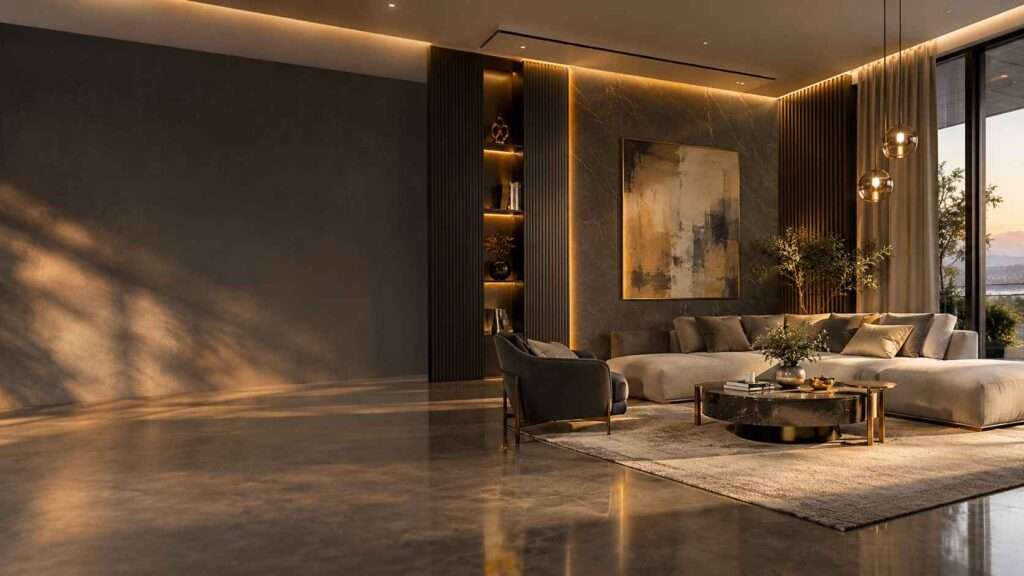
Common Interior Designer Pricing Models
Interior designers do not always charge using the same method. Understanding different pricing models can make quotations easier to compare.
1. Per-Square-Foot Pricing
Under this model, the designer calculates the price according to the area.
Formula:
Project area × rate per sq. ft. = estimated project cost
This method is commonly discussed when homeowners compare interior design packages.
Suitable for:
Homeowners who want a relatively straightforward way to estimate a complete interior project.
2. Fixed Project Fee
Some designers charge a fixed amount for a specific scope of work.
For example, a designer may quote one amount for:
- Concept development
- Floor planning
- 3D visualization
- Material selection
- Design documentation
The actual amount depends on the project.
Suitable for:
Clients who want clearly defined design deliverables.
3. Hourly Pricing
For smaller assignments or consultations, an interior designer may charge according to the time spent.
This could include:
- Design consultation
- Colour consultation
- Furniture planning
- Material selection
- Layout advice
Suitable for:
Small design projects or homeowners who primarily need professional advice.
4. Percentage-Based Pricing
Some designers may calculate their professional fee as a percentage of the overall project cost.
For example, if a project has an overall budget of ₹10 lakh and the agreed professional fee is 10%, the design fee would be ₹1 lakh.
The exact percentage and what is included should be clearly stated in the agreement.
5. Package Pricing
Interior design companies may offer packages containing predefined services and materials.
Packages may differ according to:
- Number of rooms
- Material specifications
- Furniture included
- Design services
- Warranty
- Installation
- Project management
Always compare the actual inclusions rather than comparing package prices alone.
Interior Designer Charges: Comparison of Pricing Methods
| Pricing Method | How It Works | Suitable For |
|---|---|---|
| Per sq. ft. | Area × agreed rate | Complete home projects |
| Fixed fee | One agreed professional fee | Defined design services |
| Hourly | Payment based on working hours | Consultation/small projects |
| Percentage | Fee linked to project value | Larger managed projects |
| Package | Predefined services and inclusions | Homeowners wanting structured options |
What Is Usually Included in Interior Design Cost?
The inclusions depend on the designer or company, but a comprehensive interior project can involve several stages.
Design and Planning
This may include:
- Site measurements
- Space planning
- Furniture layouts
- Electrical layouts
- Lighting plans
- Ceiling plans
- 3D visualizations
- Material recommendations
Furniture and Storage
Depending on the project, furniture may include:
- Modular kitchen
- Wardrobes
- TV units
- Crockery units
- Study tables
- Storage cabinets
- Bed back panels
- Shoe cabinets
Finishing and Décor
The scope may also include:
- Paint
- Wallpaper
- Decorative panels
- False ceiling
- Lighting
- Curtains
- Mirrors
- Décor elements
However, you should never assume that every item is included. Ask for an itemized quotation.
What Is Usually Not Included?
Additional costs may apply to items such as:
- Major civil construction
- Structural modifications
- Appliances
- Loose furniture
- Premium décor
- Imported materials
- Government or society permissions
- Major plumbing changes
- Major electrical upgrades
- Transportation outside the agreed scope
These exclusions vary between projects.
How to Calculate Your Interior Design Budget
Before approaching an interior designer, create a basic project budget.
Start with your approximate:
Step 1: Measure Your Space
- Carpet area
- Number of bedrooms
- Kitchen area
- Living room area
- Dining area
- Bathrooms
- Other spaces requiring work
A designer can later verify the measurements.
Step 2: Decide Your Priorities
Make a list of what matters most to you.
For example:
High priority
- Modular kitchen
- Wardrobes
- Storage
- Lighting
- Comfortable bedroom
Medium priority
- TV unit
- Decorative wall
- False ceiling
- Study area
Optional
- Decorative accessories
- Premium wall treatments
- Customized furniture
This helps control unnecessary expenses.
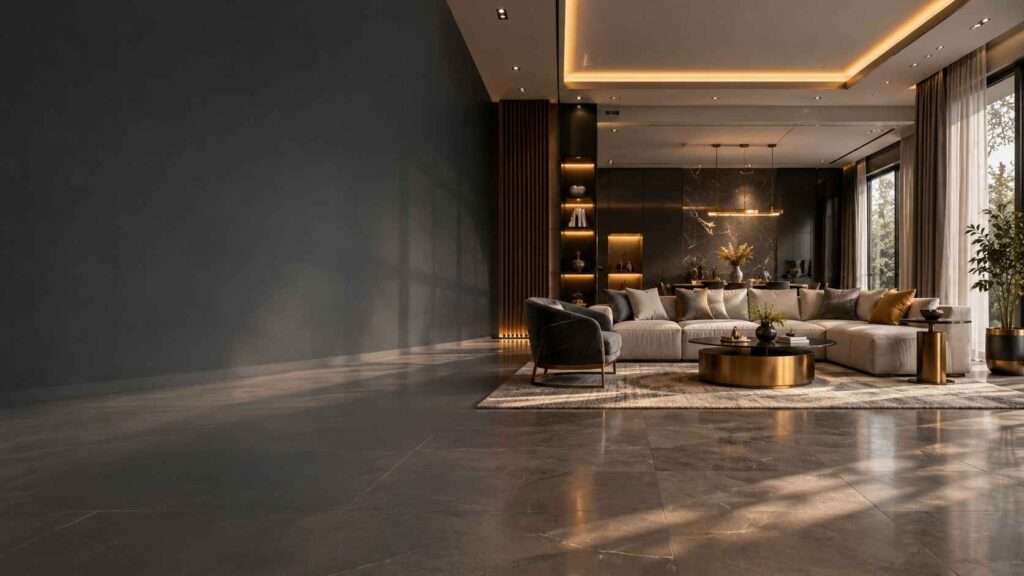
Step 3: Choose Your Design Style
Your preferred style can influence material and furniture selection.
Popular options include:
- Modern
- Contemporary
- Minimalist
- Scandinavian
- Industrial
- Traditional
- Luxury
- Transitional
A simple design does not necessarily mean the project will always be inexpensive. Material selection and customization remain important.
Step 4: Decide Between Basic and Premium Materials
Material specifications can make a significant difference to the final quotation.
Consider:
- Board material
- Laminate or acrylic finish
- Hardware quality
- Countertop material
- Glass
- Handles
- Lighting
- Paint
- Decorative finishes
Instead of asking only for a total price, ask the designer to specify the materials being used.
Step 5: Request a Detailed Quotation
Your quotation should ideally explain:
- Item
- Quantity
- Material
- Finish
- Brand, where relevant
- Unit price
- Labour
- Installation
- Taxes, where applicable
- Warranty
- Payment schedule
This makes it easier to compare quotations accurately.
How to Compare Interior Designer Quotes
Getting two or three quotations can be useful, but comparing only the final number can be misleading.
Use this checklist:
Interior Designer Quote Comparison Checklist
- Design drawings included
- 3D designs included
- Modular kitchen specifications listed
- Wardrobe specifications listed
- Hardware brands/specifications mentioned
- Material thickness mentioned
- Finishes clearly mentioned
- Installation included
- Labour charges explained
- Electrical work explained
- False ceiling scope explained
- Delivery/transportation explained
- Warranty terms provided
- Payment schedule provided
- Project timeline provided
- Exclusions clearly mentioned
Why Two Interior Designers Can Give Different Prices
Suppose two companies provide quotations for the same 1,000 sq. ft. home.
One quotation may include standard hardware, laminate finishes, basic lighting, and limited customization.
Another may include premium hardware, higher-grade finishes, detailed lighting, customized storage, project management, and additional installation work.
Both quotations may therefore be reasonable for their respective scopes.
This is why homeowners should compare specifications and deliverables, not just the final price.
How to Reduce Interior Design Costs Without Sacrificing Functionality
You do not necessarily need to choose the cheapest materials or eliminate professional design services to control your budget.
Focus on High-Use Areas
Spend more attention on spaces you use every day, such as:
- Kitchen
- Wardrobes
- Bedroom storage
- Living room seating
- Lighting
Avoid Unnecessary Customization
Customized furniture can look attractive but may increase manufacturing and installation costs.
Use customization where it solves a genuine space or storage problem.
Choose Practical Finishes
A visually attractive material should also suit your lifestyle.
Consider:
- Cleaning requirements
- Durability
- Moisture resistance
- Maintenance
- Usage frequency
Plan Before Construction
Changing decisions during execution can increase costs.
Finalize important decisions such as:
- Layout
- Storage
- Electrical points
- Lighting
- Materials
- Colours
- Furniture dimensions
before major work begins.
Questions to Ask an Interior Designer Before Hiring
Before signing an agreement, ask:
- What pricing model do you use?
- What exactly is included in the quoted amount?
- Which materials and finishes are included?
- Are appliances included?
- Is installation included?
- Are transportation charges included?
- What is excluded from the quotation?
- What is the expected project timeline?
- How are design changes handled?
- What warranty or after-sales support is provided?
- What payment schedule do you follow?
- Who will supervise the site?
Clear answers can help prevent misunderstandings later.
Interior Design Cost: Budget Planning Example
Consider a hypothetical homeowner planning interiors for a 1,200 sq. ft. apartment.
Instead of immediately selecting a package, the homeowner can divide the project into categories:
| Category | Budget Priority |
|---|---|
| Kitchen | High |
| Wardrobes | High |
| Bedroom furniture | High |
| Living room | Medium–High |
| Lighting | Medium |
| False ceiling | Medium |
| Décor | Optional |
| Premium accessories | Optional |
This approach allows homeowners to allocate money according to their actual needs.
The final cost should then be established through a project-specific quotation.
When Should You Hire an Interior Designer?
An interior designer can be particularly useful when:
- You are designing an entire home.
- You have limited experience with construction or interiors.
- You need customized storage.
- You want coordinated rooms.
- You have a complicated floor plan.
- You want professional space planning.
- You do not have time to coordinate multiple vendors.
- You want someone to manage design and execution.
For a very small project, a consultation-based service may be sufficient.
For a complete home project, professional design and project coordination can involve considerably more work.
How to Choose the Right Interior Designer
Price is only one part of the decision.
Look at:
Portfolio
Review previous projects and check whether the designer has experience with projects similar to yours.
Design Approach
Make sure the designer understands your:
- Lifestyle
- Storage requirements
- Design preferences
- Budget
- Maintenance expectations
Materials
Ask for material specifications rather than relying only on photographs or showroom displays.
Contract
Read the agreement carefully before making a major payment.
Communication
A successful project requires regular communication between the homeowner, designer, contractors, and suppliers.
Summary: How Much Do Interior Designers Charge?
So, how much do interior designers charge?
There is no single answer because interior design pricing depends on the project.
The cost can be based on:
- Per-square-foot pricing
- Fixed design fees
- Hourly consultation
- Percentage-based fees
- Package pricing
- Turnkey project pricing
The biggest factors include property size, materials, customization, design complexity, location, labour, and the services included.
Rather than selecting a designer based solely on the lowest quote, compare the scope of work, material specifications, project management, timeline, warranty, exclusions, and payment terms.
A detailed quotation gives you a much clearer picture of what you are actually paying for.
Interior designers can use different pricing models, including per-square-foot rates, fixed fees, hourly charges, percentage-based fees, or packages. The final cost depends on the size and requirements of the project.
The per-square-foot charge varies by project, location, materials, customization, and scope of work. There is no universal rate applicable to every home.
No. Interior design costs can vary between cities and projects because labour, materials, transportation, property types, and customization requirements differ.
It depends on the designer or company. Some provide design-only services, while others offer complete design and execution. Always check the quotation to understand what is included.
You can control costs by prioritizing essential areas, selecting practical materials, limiting unnecessary customization, comparing detailed quotations, and finalizing design decisions before execution begins.