
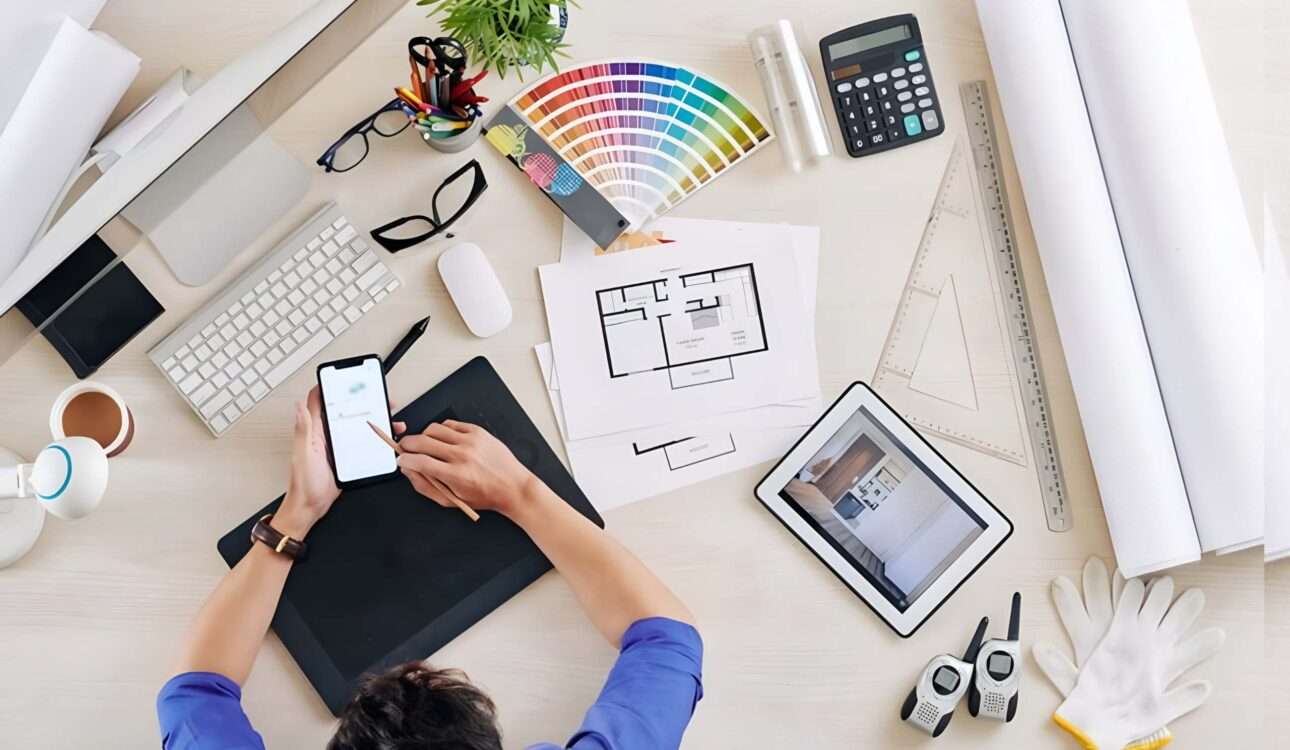
When homeowners begin building a new house, renovating an apartment, or upgrading their living spaces, one question often comes to mind: What does an interior designer do?
Many people assume interior designers simply choose paint colors, furniture, and decorations. However, professional interior designers do much more than make spaces look beautiful. They create environments that improve functionality, comfort, efficiency, and overall quality of life.
Whether it’s a luxury villa, apartment, office, retail store, or commercial building, interior designers transform empty spaces into practical and visually appealing environments tailored to the needs of the people who use them.
Another common question homeowners ask is “How much does an interior designer cost?” Many people also wonder about the difference between an interior designer vs architect and which professional they need for their project.
In this comprehensive guide, we’ll explore the responsibilities of interior designers, their value, costs, and how they work alongside architects to create exceptional spaces.
What Does an Interior Designer Do?
An interior designer is a professional who plans, designs, and enhances interior spaces to improve functionality, aesthetics, comfort, and user experience.
Their job is not limited to decorating rooms. Instead, they carefully analyze how a space will be used and create designs that support both practical needs and visual appeal.
Professional interior designers work on:
- Residential homes
- Luxury villas
- Apartments
- Office spaces
- Retail stores
- Restaurants
- Hotels
- Healthcare facilities
Their goal is to create environments that feel comfortable, attractive, and functional.
The Main Responsibilities of an Interior Designer
Understanding Client Requirements
Every successful project begins with understanding the client’s needs.
Interior designers discuss:
- Lifestyle preferences
- Family requirements
- Budget expectations
- Design style preferences
- Functional needs
This information helps create personalized design solutions.
Space Planning
One of the most important tasks an interior designer performs is space planning.
They determine:
- Furniture layouts
- Traffic flow
- Storage requirements
- Functional zones
Proper space planning ensures rooms feel spacious, comfortable, and practical.
Creating Design Concepts
Interior designers develop design concepts that reflect the client’s vision.
These concepts may include:
- Mood boards
- Color palettes
- Material selections
- Furniture styles
- Lighting concepts
The goal is to establish a clear direction before implementation begins.
Material Selection
Professional interior designers help clients choose:
- Flooring materials
- Wall finishes
- Tiles
- Countertops
- Fabrics
- Wood finishes
Their expertise helps ensure durability and visual harmony.
Furniture Selection and Design
Furniture plays a major role in interior design.
Designers assist with:
- Furniture layouts
- Custom furniture design
- Furniture sizing
- Style coordination
Proper furniture selection enhances both comfort and functionality.
Lighting Design
Lighting dramatically affects how spaces look and feel.
Interior designers plan:
- Ambient lighting
- Task lighting
- Accent lighting
- Decorative fixtures
A well-lit room feels more inviting and functional.
Project Coordination
Many interior designers coordinate with:
- Contractors
- Carpenters
- Electricians
- Painters
- Furniture manufacturers
This ensures the design is executed correctly.
Why Interior Designers Are Important
Some homeowners wonder whether hiring an interior designer is necessary.
The truth is that professional designers provide significant value.
Better Functionality
Interior designers ensure spaces support everyday activities efficiently.
Improved Comfort
Thoughtful layouts and furnishings enhance comfort.
Increased Property Value
Professionally designed homes often command higher market prices.
Time Savings
Designers streamline decision-making and project execution.
Reduced Mistakes
Professional guidance helps avoid costly design errors.
How Interior Designers Transform Homes
A skilled interior designer sees possibilities that homeowners often overlook.
They can transform:
Small Rooms
Through smart layouts and furniture selection.
Dark Spaces
By improving lighting and color choices.
Cluttered Areas
With better storage solutions.
Empty Rooms
By creating purposeful and attractive environments.
How Much Does an Interior Designer Cost?
One of the most frequently asked questions is:
How Much Does an Interior Designer Cost?
The answer depends on several factors.
Property Size
Larger homes require more design work and materials.
Scope of Work
Designing a single room costs less than a complete home interior.
Customization Level
Luxury and custom-designed interiors generally cost more.
Material Selection
Premium materials increase overall project costs.
Location
Pricing varies depending on city and market conditions.
Average Interior Design Costs in India
Basic Interiors
₹800 – ₹1,200 per sq.ft.
Standard Interiors
₹1,200 – ₹2,000 per sq.ft.
Premium Interiors
₹2,000 – ₹3,500 per sq.ft.
Luxury Villa Interiors
₹3,500+ per sq.ft.
These figures are general estimates and vary based on project requirements.
Is Hiring an Interior Designer Worth the Cost?
Many homeowners initially view interior design as an expense.
However, professional design often saves money by:
- Preventing costly mistakes
- Improving material selection
- Maximizing space utilization
- Increasing property value
In most cases, professional interior design is a worthwhile investment.
Interior Designer vs Architect: What’s the Difference?
Another common question is:
Interior Designer vs Architect
Although both professions work closely together, their responsibilities differ significantly.
What Does an Architect Do?
Architects focus on:
- Building structure
- Construction systems
- Engineering integration
- Building safety
- Exterior design
- Structural planning
They design the building itself.
What Does an Interior Designer Do?
Interior designers focus on:
- Interior layouts
- Furniture planning
- Lighting design
- Material selection
- Space functionality
- User experience
They design how people interact with the space.
Interior Designer vs Architect: Simple Example
Imagine you’re building a luxury villa.
Architect’s Role
The architect designs:
- Floor plans
- Structural framework
- Roof design
- Building elevation
Interior Designer’s Role
The interior designer creates:
- Living room layouts
- Bedroom designs
- Kitchen concepts
- Lighting plans
- Furniture selections
Both professionals work together to create a complete living environment.
Modern Interior Design Trends
Today’s homeowners increasingly seek:
Smart Home Integration
Technology-driven living environments.
Minimalist Design
Clean and uncluttered spaces.
Sustainable Interiors
Eco-friendly materials and practices.
Luxury Living Spaces
Premium finishes and custom furniture.
Multifunctional Rooms
Flexible spaces that adapt to changing needs.
Why Homeowners Choose Professional Interior Designers
Professional interior designers provide:
Expert Planning
Optimized layouts and functionality.
Creative Solutions
Innovative ideas tailored to client needs.
Vendor Access
Connections to trusted suppliers and craftsmen.
Quality Control
Consistent standards throughout the project.
Stress-Free Execution
Professional management of complex projects.
SpaceHeaven Interior: Creating Beautiful Living Spaces
When homeowners ask what does an interior designer do, the answer becomes clear when working with experienced professionals like SpaceHeaven Interior.
The company specializes in:
- Home interiors
- Luxury villa interiors
- Apartment interiors
- Modular kitchens
- Custom furniture
- Wardrobes
- False ceilings
- Turnkey interior solutions
SpaceHeaven Interior combines creativity, functionality, and quality craftsmanship to create spaces that reflect each client’s lifestyle and vision.
Their team works closely with homeowners to transform ideas into beautifully executed living environments.
Common Mistakes Homeowners Make Without an Interior Designer
Poor Space Planning
Rooms may feel cramped or inefficient.
Incorrect Furniture Selection
Furniture may not fit properly.
Lighting Mistakes
Poor lighting reduces comfort and aesthetics.
Storage Problems
Insufficient storage creates clutter.
Budget Overruns
Lack of planning often leads to unexpected expenses.
Professional designers help avoid these issues.
The Future of Interior Design
The industry continues to evolve rapidly.
Emerging trends include:
- AI-assisted design tools
- Smart home technologies
- Sustainable materials
- Wellness-focused interiors
- Personalized luxury spaces
As lifestyles change, interior designers will continue to play an important role in creating comfortable and efficient living environments.
Conclusion
Understanding what does an interior designer do helps homeowners appreciate the value of professional design services. Interior designers do much more than decorate spaces—they create functional, comfortable, and beautiful environments that improve daily living experiences.
Whether you’re wondering how much does an interior designer cost or comparing an interior designer vs architect, the key takeaway is that each professional serves a unique purpose in creating successful spaces.
By investing in professional interior design, homeowners can maximize comfort, enhance property value, avoid costly mistakes, and enjoy spaces that truly reflect their personality and lifestyle.
With experienced companies like SpaceHeaven Interior, homeowners can confidently transform their vision into reality through thoughtful design, quality execution, and lasting craftsmanship.
Frequently Asked Questions
An interior designer plans and designs interior spaces to improve functionality, aesthetics, comfort, and user experience.
Interior design costs typically range from ₹800 to ₹3,500+ per sq.ft. depending on project scope and material selection.
Architects design the building structure, while interior designers focus on the functionality and appearance of interior spaces.
Yes. Professional designers improve functionality, aesthetics, property value, and help avoid costly mistakes.
Absolutely. Well-designed interiors often attract buyers and improve overall market value.