Introduction
When building a new villa, apartment, independent house, or luxury residence, most homeowners focus on construction quality, architectural design, flooring, and structural strength. However, one of the most important factors that determines how comfortable, functional, and visually appealing a property feels is its interior design. This is where many people begin asking the question: what do interior designers do?
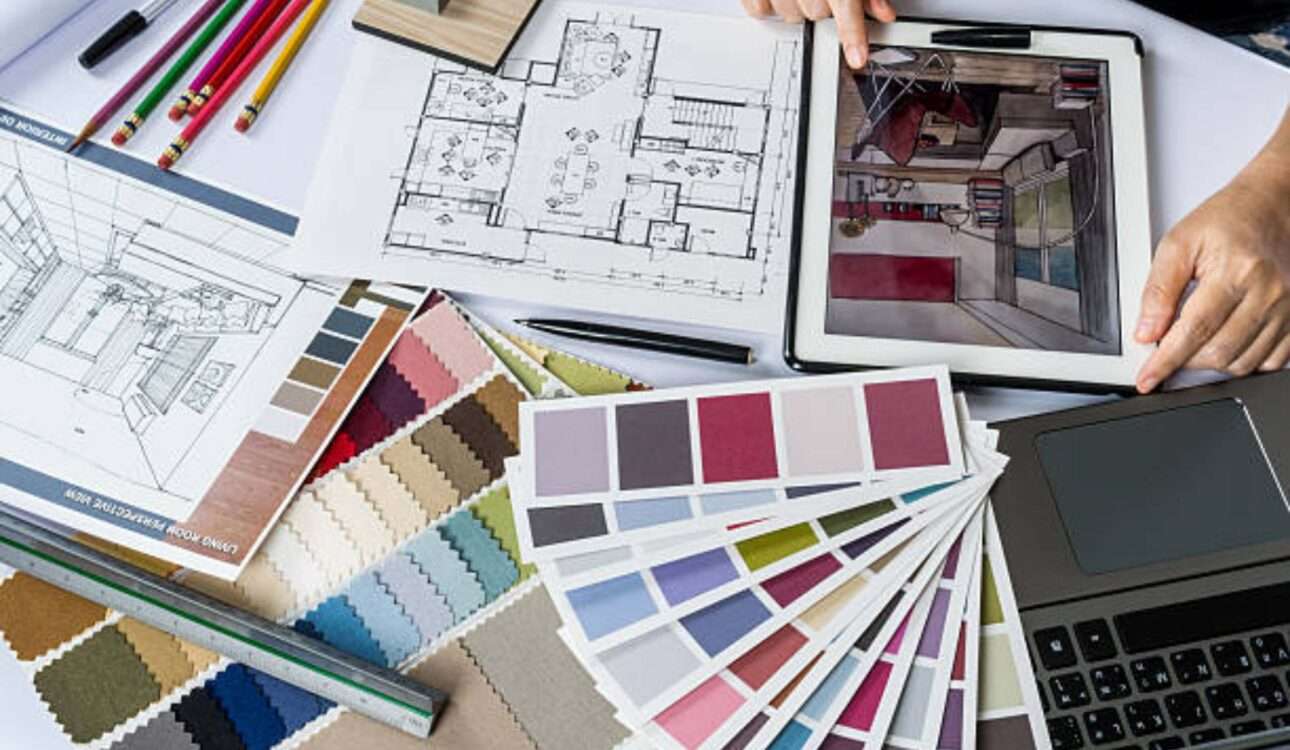
An interior designer is responsible for transforming an empty structure into a practical and beautiful living environment. While architects design the building’s structure and layout, interior designers focus on how people experience the space once construction is completed. They carefully plan room layouts, furniture placement, lighting design, storage solutions, color schemes, and decorative elements to create spaces that improve daily living.
Whether it’s a luxury villa, a modern apartment, a duplex house, or a commercial property, interior designers play a crucial role in ensuring that every square foot of space is used efficiently. Their goal is not only to make a home look beautiful but also to create an environment that supports comfort, convenience, and functionality.
As modern homeowners become increasingly aware of the importance of living spaces, the demand for professional interior design services continues to grow across India. People now understand that a well-designed home can significantly improve lifestyle, property value, and overall satisfaction.
What Do Interior Designers Do?
Many people mistakenly believe that interior designers simply select furniture, paint colors, and decorative accessories. In reality, their responsibilities extend far beyond decoration.
Interior designers begin by understanding the client’s lifestyle, family requirements, preferences, and budget. They then analyze the available space and develop customized solutions that balance functionality and aesthetics.
A professional interior designer helps homeowners determine how each room should function. They create layouts that improve movement within the house, maximize storage, enhance natural lighting, and ensure that furniture arrangements support daily activities.
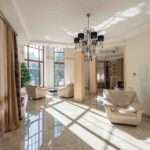
For example, in a villa project, an interior designer may plan a spacious living room layout that encourages family interaction while maintaining elegance and sophistication. In an apartment, they may focus on maximizing limited space through smart storage solutions, modular furniture, and efficient room planning.
Their work involves detailed planning, technical expertise, creative thinking, and project coordination. Every decision is carefully considered to ensure that the final result aligns with the homeowner’s vision and practical requirements.
Why Interior Design Is Important for Villas and Apartments
The construction of a villa or apartment provides the physical structure, but interior design gives life to that structure.
Imagine entering two identical apartments built using the same floor plan. One apartment may feel spacious, welcoming, and luxurious, while the other feels crowded, disorganized, and uncomfortable. The difference lies in interior design.
A well-designed interior improves:
- Space utilization
- Visual appeal
- Comfort
- Functionality
- Storage efficiency
- Lighting quality
- Property value
Interior design influences how people feel within a space. Beautifully designed interiors create positive emotions and make homeowners feel proud of their living environment.
For villa owners, professional interior design helps create luxurious and personalized spaces that reflect individual lifestyles. For apartment owners, smart interior solutions maximize available space while improving comfort and convenience.
Interior Designer vs Architect
One of the most common questions homeowners ask is about the difference between an interior designer vs architect.
Although both professionals contribute to building projects, their responsibilities differ significantly.
Architects focus on designing the building itself. They create structural plans, determine room placements, design elevations, ensure safety compliance, and oversee construction requirements. Their primary responsibility is the building’s physical structure and engineering aspects.
Interior designers, on the other hand, focus on what happens inside the building. They determine how interior spaces should function and how they should look. Their work includes furniture planning, lighting design, color coordination, material selection, storage solutions, and overall user experience.
A simple way to understand the difference is this:
An architect designs the house.
An interior designer designs the experience of living inside the house.
Both professionals work together to create successful projects. Architects ensure structural integrity, while interior designers ensure comfort, beauty, and functionality.
How Interior Designers Plan a Villa Interior
Luxury villas require careful planning because they often feature large spaces, multiple rooms, and customized requirements.
Interior designers begin by understanding the homeowner’s lifestyle and expectations. Some families prioritize entertainment spaces, while others focus on privacy, luxury, or functionality.
The designer develops concepts for:
- Living rooms
- Bedrooms
- Dining areas
- Modular kitchens
- Home offices
- Entertainment rooms
- Walk-in wardrobes
- Bathrooms
Every room is planned individually while maintaining consistency throughout the villa.
Lighting plays a critical role in villa interiors. Designers carefully balance natural and artificial lighting to create comfortable and visually appealing environments.
Furniture selection is also important. Customized furniture helps maintain design harmony while ensuring optimal functionality.
How Interior Designers Transform Apartments
Apartment interiors present unique challenges due to limited space.
Professional interior designers specialize in maximizing every square foot available. They use creative solutions to make apartments feel larger, brighter, and more organized.
Common apartment interior strategies include:
- Modular furniture
- Built-in storage
- Open layouts
- Multi-functional spaces
- Wall-mounted storage solutions
- Light color palettes
- Space-saving furniture
The goal is to create interiors that feel spacious despite physical limitations.
Interior designers understand how to balance practicality and aesthetics, ensuring that apartments remain comfortable without feeling overcrowded.
Space Planning: The Foundation of Interior Design
One of the most important responsibilities of interior designers is space planning.
Space planning determines:
- Furniture placement
- Walking paths
- Storage allocation
- Functional zones
- Room flow
Poor space planning can make even large homes feel uncomfortable.
Good space planning ensures that rooms function efficiently while maintaining visual balance and comfort.
For example, placing oversized furniture in a small living room may restrict movement and make the space feel cramped. Professional interior designers avoid such mistakes by carefully analyzing dimensions and user requirements.
Lighting Design and Its Importance
Lighting significantly affects how people experience a space.
Interior designers use lighting to:
- Enhance mood
- Improve functionality
- Highlight design features
- Create visual interest
- Increase comfort
A successful lighting plan combines:
- Natural light
- Ambient lighting
- Task lighting
- Accent lighting
Different rooms require different lighting solutions.
For example, kitchens require bright task lighting, while bedrooms benefit from softer lighting that promotes relaxation.
Material Selection and Interior Finishes
Interior designers help homeowners select materials that align with their design goals and budget.
Materials influence:
- Appearance
- Durability
- Maintenance requirements
- Comfort
Popular materials include:
- Wood
- Stone
- Glass
- Metal
- Fabric
- Laminate
The combination of materials helps create unique and personalized interiors.
Experienced designers understand how different materials perform over time and can recommend suitable options for various environments.
How Interior Design Increases Property Value
Professional interior design should be viewed as an investment rather than an expense.
Properties with thoughtfully designed interiors often:
- Sell faster
- Attract more buyers
- Command higher prices
- Generate stronger rental demand
Buyers are naturally drawn to homes that feel modern, organized, and visually appealing.
A professionally designed villa or apartment often stands out in competitive real estate markets.
Common Mistakes Homeowners Make Without an Interior Designer
Many homeowners attempt to design interiors independently. While this approach can sometimes work, it often leads to costly mistakes.
Common mistakes include:
- Poor furniture selection
- Inadequate storage planning
- Improper lighting
- Inefficient layouts
- Mismatched color schemes
- Budget overruns
Professional interior designers help prevent these issues through careful planning and expertise.
SpaceHeaven Interior: Creating Functional and Beautiful Living Spaces
At SpaceHeaven Interior, we understand that every villa and apartment is unique.
Our team specializes in creating interiors that combine:
- Functionality
- Comfort
- Elegance
- Practicality
We provide complete interior solutions including:
- Space planning
- Modular kitchens
- Wardrobes
- Luxury villa interiors
- Apartment interiors
- Custom furniture
- False ceilings
- Turnkey interior solutions
Our goal is to transform construction projects into inspiring living environments that enhance everyday life.
By understanding client requirements and focusing on quality craftsmanship, SpaceHeaven Interior delivers interiors that are both beautiful and practical.
Future Trends in Interior Design
The interior design industry continues to evolve with changing lifestyles and technology.
Popular emerging trends include:
- Smart home integration
- Sustainable materials
- Wellness-focused design
- Luxury minimalism
- Multifunctional furniture
- Personalized interiors
These innovations allow homeowners to create spaces that support modern living while maintaining comfort and efficiency.
As technology advances, interior designers will continue finding new ways to improve the way people live and interact with their homes.
Conclusion
Understanding what do interior designers do helps homeowners appreciate the significant value these professionals bring to construction projects, villas, and apartments.
Interior designers are responsible for much more than decoration. They create functional, comfortable, and visually appealing environments that improve everyday living experiences. From space planning and lighting design to furniture selection and material coordination, every decision contributes to the success of the final interior.
When comparing an interior designer vs architect, it becomes clear that both professionals play important but different roles. Architects design the building structure, while interior designers transform that structure into a livable and enjoyable environment.
Whether you’re building a luxury villa, renovating an apartment, or designing your dream home, professional interior design can enhance comfort, maximize property value, and create spaces that truly reflect your lifestyle and personality.
Frequently Asked Questions
Interior designers plan layouts, furniture, lighting, storage, materials, and décor to create functional and luxurious living spaces.
Yes. Interior designers specialize in maximizing apartment space through smart layouts, storage solutions, and efficient furniture planning.
Architects design the building structure, while interior designers focus on interior functionality, aesthetics, and user experience.
Yes. Professionally designed interiors often improve resale value and attract more buyers.