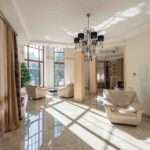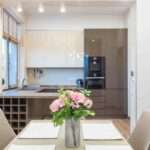
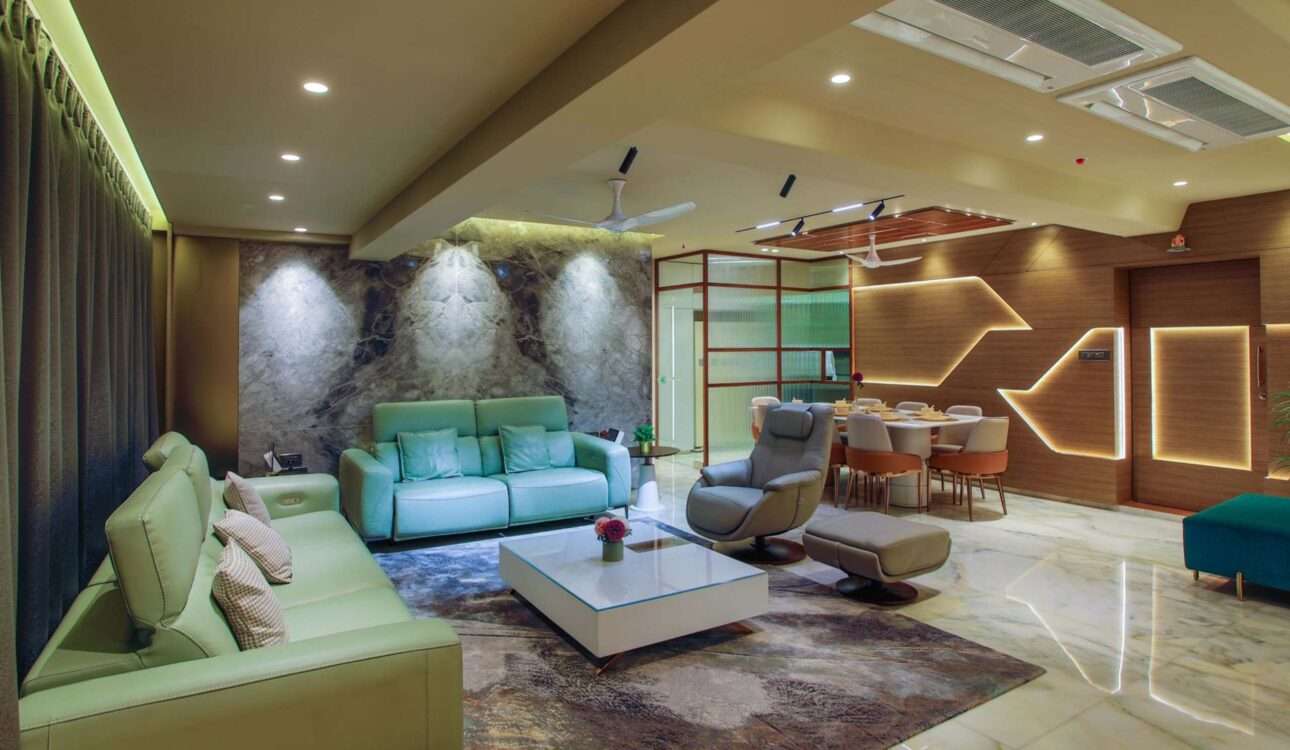
Introduction
Designing a home interior is one of the most exciting parts of creating a dream home. A well-designed interior not only improves the beauty of a house but also enhances comfort, functionality, and everyday living experiences. Many homeowners often search for how to design home interior because they want to create spaces that reflect their personality while maximizing comfort and practicality.
Whether you are designing a new home, renovating an apartment, or upgrading specific rooms, understanding the fundamentals of interior design can help you make informed decisions. From choosing colors and furniture to planning layouts and lighting, every element contributes to the overall look and feel of a space.
Many people also ask, What is the golden rule of interior design? and look for practical how to design home interior ideas that can transform ordinary rooms into beautiful living environments. This guide will help you understand the principles, techniques, and strategies used by professional interior designers.
Why Home Interior Design Matters
Interior design is much more than decoration. It is about creating spaces that improve the quality of life for the people who use them.
A professionally planned interior can:
- Improve functionality
- Enhance visual appeal
- Maximize space utilization
- Increase property value
- Improve comfort and convenience
- Reflect personal style
- Create a welcoming atmosphere
When every element works together harmoniously, a home becomes more enjoyable and practical for everyday living.
Understanding the Purpose of Each Room
Before selecting furniture or paint colors, it is important to understand how each room will be used.
Living Room
The living room is often the central gathering space in a home. It should feel comfortable, welcoming, and functional.
Bedroom
Bedrooms should promote relaxation, privacy, and restful sleep.
Kitchen
The kitchen should support efficient cooking, storage, and family interaction.
Dining Area
Dining spaces should encourage conversation and comfortable gatherings.
Home Office
Workspaces should improve focus and productivity while minimizing distractions.
What Is the Golden Rule of Interior Design?
One of the most common questions homeowners ask is:
What Is the Golden Rule of Interior Design?
The golden rule of interior design is:
Balance, Harmony, and Functionality.
A beautiful interior should not only look attractive but also serve the practical needs of the people living in it.
Professional designers focus on balancing:
- Colors
- Furniture
- Lighting
- Textures
- Space utilization
The goal is to create a space where every element feels connected and purposeful.
A room may have expensive furniture and luxurious finishes, but if it lacks functionality and balance, it will not feel comfortable or successful.
Step 1: Start with Space Planning
Space planning is the foundation of good interior design.
Before purchasing furniture or décor items, analyze:
- Room dimensions
- Door locations
- Window placements
- Traffic flow
- Functional requirements
Good space planning ensures that rooms feel spacious, organized, and comfortable.
Avoid overcrowding rooms with excessive furniture. Instead, focus on maintaining open circulation and functional layouts.
Step 2: Choose a Design Style
One of the most important how to design home interior ideas is selecting a design style that reflects your personality.
Popular styles include:
Modern Design
Clean lines, neutral colors, and functional furniture.
Contemporary Design
Current design trends combined with comfort and simplicity.
Minimalist Design
Clutter-free spaces with simple forms and limited decorative elements.
Luxury Design
Premium materials, custom furniture, and sophisticated finishes.
Traditional Design
Classic furniture, warm colors, and timeless details.
Choosing a consistent style creates visual harmony throughout the home.
Step 3: Select the Right Color Palette
Colors influence mood, perception, and atmosphere.
Neutral Colors
- White
- Beige
- Grey
- Cream
These colors create spacious and calming environments.
Warm Colors
- Brown
- Terracotta
- Soft yellow
Warm colors create cozy and inviting spaces.
Cool Colors
- Blue
- Green
Cool tones promote relaxation and tranquility.
Professional designers often use a balanced combination of primary, secondary, and accent colors.
Step 4: Focus on Lighting Design
Lighting is one of the most important aspects of interior design.
A well-lit room feels larger, brighter, and more inviting.
Natural Lighting
Maximize natural light through windows and open layouts.
Ambient Lighting
Provides general illumination for the room.
Task Lighting
Supports specific activities such as reading or cooking.
Accent Lighting
Highlights architectural features and decorative elements.
Combining multiple lighting layers creates depth and visual interest.
Step 5: Choose Functional Furniture
Furniture should be both beautiful and practical.
When selecting furniture, consider:
- Room size
- Functionality
- Comfort
- Durability
- Design style
Avoid purchasing oversized furniture for small rooms.
Instead, choose pieces that complement the available space while supporting daily activities.
Step 6: Incorporate Smart Storage Solutions
One of the best how to design home interior ideas is integrating effective storage solutions.
Smart storage helps:
- Reduce clutter
- Improve organization
- Enhance functionality
Popular storage options include:
- Built-in wardrobes
- Modular cabinets
- Floating shelves
- Storage beds
- Multi-functional furniture
Well-organized spaces feel larger and more comfortable.
Step 7: Add Texture and Materials
Textures add visual interest and depth to interiors.
Examples include:
- Wood
- Stone
- Fabric
- Glass
- Metal
Combining different materials creates balanced and sophisticated spaces.
For example:
- Wooden furniture with soft fabrics
- Stone walls with warm lighting
- Glass elements with natural textures
These combinations create dynamic and attractive interiors.
Step 8: Use Decorative Elements Wisely
Decorative items personalize a home and create emotional connections.
Popular décor elements include:
- Artwork
- Indoor plants
- Mirrors
- Rugs
- Cushions
- Decorative lighting
Avoid excessive decoration. Focus on carefully selected items that enhance the overall design concept.
Step 9: Create a Focal Point
Every room should have a focal point that attracts attention.
Examples include:
- Feature wall
- Fireplace
- Large artwork
- Statement furniture
- Decorative lighting fixture
A focal point helps organize the visual hierarchy of the room.
Step 10: Design for Comfort and Lifestyle
Interior design should support the way people actually live.
Consider:
- Family size
- Daily routines
- Entertainment needs
- Work-from-home requirements
- Storage demands
A beautiful home should also be practical and comfortable.
Common Interior Design Mistakes to Avoid
Ignoring Functionality
A room must work well before it looks beautiful.
Poor Lighting
Insufficient lighting can negatively affect comfort and aesthetics.
Overcrowding
Too much furniture makes spaces feel smaller.
Inconsistent Design
Mixing unrelated styles creates visual confusion.
Lack of Planning
Impulsive purchases often lead to poor design outcomes.
Space Heaven Constructions: Creating Beautiful Home Interiors
Space Heaven Constructions specializes in designing and delivering functional, elegant, and customized interiors for modern homes.
Their services include:
- Home interior design
- Villa interiors
- Apartment interiors
- Modular kitchens
- Custom furniture
- Wardrobes
- False ceilings
- Turnkey interior solutions
The company focuses on creating interiors that combine beauty, comfort, and practicality while reflecting each client’s unique lifestyle.
By integrating design and execution under one roof, Space Heaven Constructions ensures a seamless experience from concept to completion.
How Good Interior Design Increases Property Value
Professional interior design should be viewed as an investment.
Benefits include:
- Higher resale value
- Increased buyer interest
- Faster property sales
- Better rental opportunities
A thoughtfully designed interior improves both functionality and market appeal.
Future Trends in Home Interior Design
Modern homeowners increasingly prefer:
- Smart home technology
- Sustainable materials
- Multifunctional furniture
- Wellness-focused spaces
- Luxury minimalism
- Personalized interiors
These trends continue to influence how homes are designed and experienced.
Conclusion
Understanding how to design home interior spaces helps homeowners create environments that are beautiful, functional, and comfortable. By following proven design principles and applying practical how to design home interior ideas, it is possible to transform ordinary rooms into inspiring living spaces.
The answer to What is the golden rule of interior design? is simple: maintain balance, harmony, and functionality throughout the home. When these principles guide your design decisions, every room becomes more enjoyable and practical.
Whether you are designing a new house or renovating an existing property, thoughtful planning and professional guidance can help you create a home that truly reflects your personality and lifestyle.
Frequently Asked Questions
Start with space planning, identify your design style, and create a layout based on your lifestyle and functional needs.
The golden rule is maintaining balance, harmony, and functionality throughout the space.
Neutral colors such as white, beige, and grey are popular because they create bright and spacious environments.
Lighting is essential because it affects comfort, mood, functionality, and visual appeal.
Yes. Professionally designed interiors improve market appeal, buyer interest, and overall property value.