
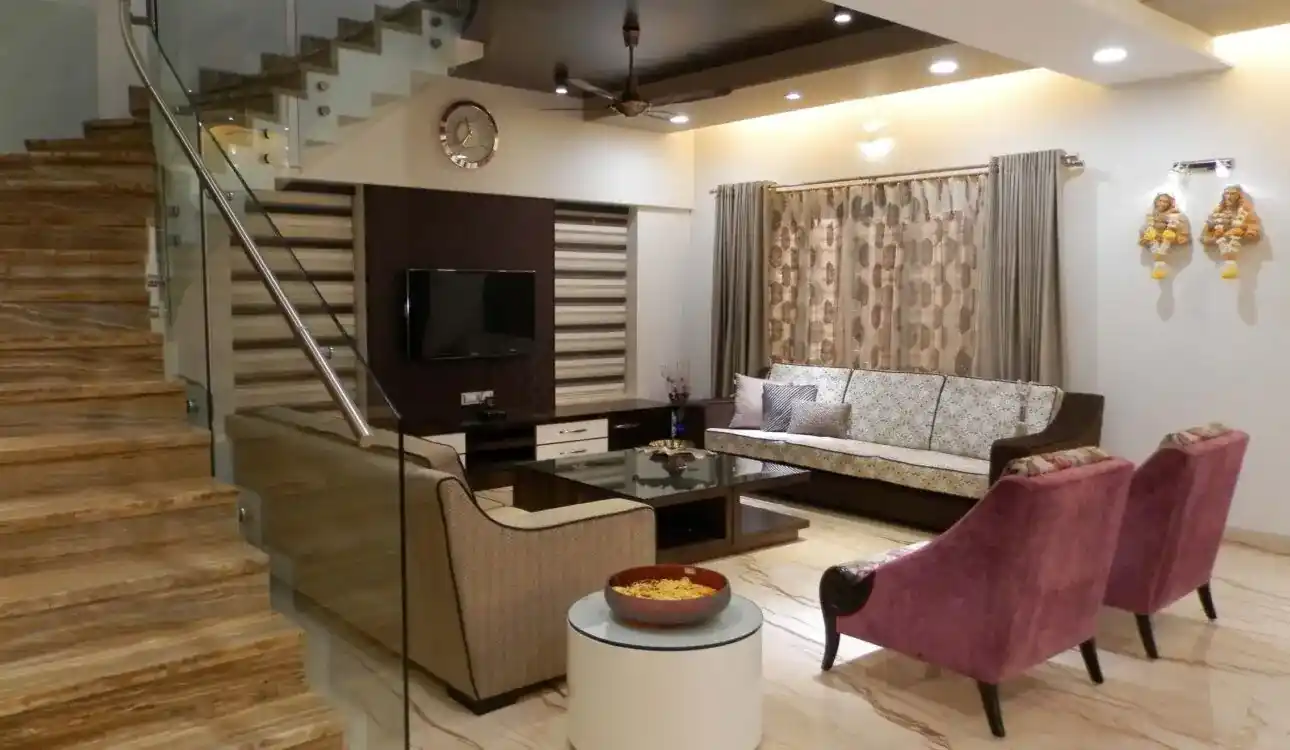
If you are creative, interested in spaces, and enjoy combining aesthetics with practical problem-solving, you may be wondering: is interior design a good career in India?
Yes, interior design can be a rewarding career in India, especially for people who develop a strong combination of creativity, technical knowledge, communication skills, and project-management ability. The profession offers opportunities across residential interiors, commercial spaces, hospitality, retail, workplace design, modular interiors, luxury projects, 3D visualization, and freelance services.
However, interior design is not simply about choosing attractive colours, furniture, or décor. Professional designers work with layouts, materials, lighting, budgets, drawings, clients, contractors, timelines, and site execution.
In 2026, the career is also becoming more technology-driven. Designers increasingly use 3D visualization, CAD software, rendering tools, BIM workflows, digital presentations, and AI-assisted design tools to improve productivity.
Why Is Interior Design a Good Career in India?
Interior design combines creativity with practical business and technical skills. Unlike a career that depends on only one skill, successful interior designers usually develop several complementary abilities.
The work can involve:
- Understanding client requirements
- Planning room layouts
- Selecting materials and finishes
- Creating furniture concepts
- Preparing technical drawings
- Developing 3D visualizations
- Designing lighting concepts
- Coordinating with vendors and contractors
- Preparing project budgets
- Managing timelines
- Supervising execution
- Presenting concepts to clients
This variety makes the profession attractive to people who do not want a completely routine desk job.
Growing Demand for Interior Design Services
As homes, offices, retail stores, restaurants, hotels, and other spaces become more focused on functionality and visual identity, professional design services can create significant value.
Homeowners may want better space utilization, modular kitchens, storage solutions, premium finishes, or customized interiors. Businesses often require interiors that support branding, customer experience, employee productivity, and efficient use of space.
This creates opportunities for designers with specialized expertise.
Multiple Career Paths
Another advantage is that interior design does not lead to only one job title.
Depending on your interests, you can work as:
- Junior Interior Designer
- Interior Designer
- Senior Interior Designer
- Residential Designer
- Commercial Interior Designer
- Modular Kitchen Designer
- 3D Visualizer
- CAD Designer
- Furniture Designer
- Lighting Designer
- Set Designer
- Workplace Designer
- Hospitality Designer
- Design Consultant
- Project Coordinator
- Design Manager
- Freelance Interior Designer
- Interior Design Entrepreneur
This flexibility allows professionals to change specialization as their skills and interests develop.
Interior Designing Scope and Salary in India
The interior designing scope and salary in India varies considerably. There is no single salary that applies to every designer because compensation depends on experience, city, company, specialization, portfolio, software skills, and project responsibilities.
Current salary data illustrates this variation. Glassdoor’s India salary data lists an average base pay around ₹25,000 per month for interior designers, with typical base-pay figures varying across locations and experience levels. It also shows an overall trajectory of approximately ₹3–6 lakh per year for Interior Designer and ₹5–8 lakh per year for Senior Interior Designer roles.
Indicative Interior Designer Salary in India
| Career Stage | Indicative Monthly Range | What Influences Income |
|---|---|---|
| Intern / Trainee | ₹8,000–₹20,000+ | Company, skills and internship type |
| Junior Designer | ₹15,000–₹30,000+ | Portfolio, software skills and location |
| Interior Designer | ₹25,000–₹50,000+ | Experience and project responsibility |
| Senior Designer | ₹40,000–₹75,000+ | Leadership and project complexity |
| Design Manager | ₹50,000+ | Team and project management |
| Freelancer | Highly variable | Clients, specialization and project volume |
| Business Owner | Highly variable | Projects, margins, reputation and operations |
These are indicative ranges rather than guaranteed salaries. Actual compensation can be significantly lower or higher. For example, recent Glassdoor submissions show substantial differences between cities and experience levels, including professionals with 1–3 years of experience reporting salaries ranging from roughly ₹18,000 to ₹38,000 per month in different Indian cities.
What Determines an Interior Designer’s Salary?
Your earning potential can increase when you develop skills beyond basic design.
Important factors include:
- Experience – Experienced designers can take on more complex projects.
- Portfolio – Strong project presentation can directly affect hiring and client acquisition.
- Software skills – CAD, 3D modelling and rendering skills are valuable.
- Location – Major design markets may offer more opportunities and higher compensation.
- Specialization – Luxury, hospitality, workplace, retail and other specialized areas can offer different earning opportunities.
- Communication – Client presentation and negotiation skills matter.
- Project management – Professionals who understand execution can take greater responsibility.
- Business skills – Freelancers and studio owners need sales, pricing and financial management skills.
Is Interior Design a Good Career for the Future?
Yes, but the future of the profession will favour designers who combine creative thinking with technology and practical execution knowledge.
The role is changing. Designers are no longer limited to sketches and mood boards. Digital tools allow them to develop realistic 3D environments, communicate concepts faster, test materials virtually, and present complete design proposals.
Technology Is Changing Interior Design
Modern designers can use:
- AutoCAD
- SketchUp
- 3ds Max
- Revit
- V-Ray
- Enscape
- Lumion
- Photoshop
- AI-assisted visualization tools
- Digital material libraries
- Project-management platforms
Technology does not eliminate the need for designers. Instead, it changes how designers work.
A software operator may know how to create a model, but a professional designer must still understand why a layout works, how people use a space, what materials are appropriate, how a budget affects decisions, and how the final design can actually be built.
Sustainable and Smart Interiors
Sustainability is another important direction for the industry.
Future-focused designers may increasingly work with:
- Energy-efficient lighting
- Sustainable materials
- Low-VOC finishes
- Natural ventilation
- Durable furniture
- Smart-home technology
- Space-efficient planning
- Responsible material selection
This means designers who understand environmental considerations and modern technology can differentiate themselves.
Advantages of Choosing Interior Design as a Career
Interior design offers several advantages compared with highly routine careers.
1. Creative and Practical Work
You can use creativity while solving real-world problems. A successful design must not only look good but also work for the people using the space.
2. Different Work Environments
You may work from:
- Design studios
- Architecture firms
- Interior companies
- Furniture brands
- Real-estate companies
- Hospitality businesses
- Corporate offices
- Your own studio
3. Freelancing Opportunities
Interior designers can build independent careers through residential projects, consultations, 3D visualization, space planning, furniture design, or remote design services.
4. Entrepreneurial Potential
Experienced professionals can eventually start an interior design firm, turnkey interior business, design consultancy, or specialized studio.
5. Portfolio-Based Growth
Your career does not have to depend entirely on academic qualifications. Education is important, but a strong portfolio demonstrating your design thinking and execution ability can become a major career asset.
Challenges of an Interior Design Career
Before deciding whether interior design is right for you, understand the difficult side of the profession too.
Client Expectations Can Be Challenging
Clients may change requirements, have budget limitations, or struggle to visualize the final result.
Strong communication is therefore essential.
Deadlines Can Be Tight
Interior projects involve multiple people and dependencies. Delays in materials, manufacturing, approvals, or construction can affect the final timeline.
Site Work Requires Patience
Interior design can involve site visits, measurements, contractor coordination, quality checks, and problem-solving.
If you want a completely predictable office routine, this career may not be ideal.
Income Can Be Uneven for Freelancers
Freelancing can provide greater earning potential, but income may fluctuate. Building a reliable client pipeline takes time.
Skills You Need to Become a Successful Interior Designer
A strong interior designer needs more than artistic talent.
Creative Skills
You should develop:
- Colour understanding
- Composition
- Proportion
- Material coordination
- Furniture selection
- Concept development
- Visual storytelling
Technical Skills
Technical knowledge helps turn ideas into buildable projects.
Important areas include:
- Space planning
- Furniture dimensions
- Electrical planning
- Lighting
- Material specifications
- Construction basics
- Working drawings
- 2D drafting
- 3D visualization
Soft Skills
Client-facing skills are equally important.
Develop:
- Communication
- Presentation
- Negotiation
- Time management
- Teamwork
- Problem-solving
- Vendor coordination
- Decision-making
Business Skills
If you want to freelance or start your own firm, also learn:
- Pricing
- Quotation preparation
- Lead generation
- Client management
- Contract basics
- Project budgeting
- Social media marketing
- Portfolio marketing
How to Start an Interior Design Career in India
If you are starting from zero, follow a structured approach rather than trying to learn everything simultaneously.
Step 1: Learn the Fundamentals
Start with design principles, colour theory, space planning, materials, furniture, lighting and basic construction concepts.
Step 2: Choose the Right Education Path
Depending on your goals, you can consider:
- Diploma courses
- Bachelor’s degree programs
- Specialized certification programs
- Short-term software courses
- Practical workshops
Your choice should depend on your career objectives, budget and preferred learning style.
Step 3: Learn Industry Software
Start with one 2D drafting tool and one 3D visualization workflow.
For example:
AutoCAD → SketchUp → Rendering → Presentation
Once your fundamentals are strong, you can add advanced tools such as Revit, 3ds Max or other specialized software.
Step 4: Build a Portfolio
Do not wait until you have paid clients.
Create concept projects such as:
- 2BHK apartment
- Luxury bedroom
- Modular kitchen
- Small living room
- Modern office
- Café
- Retail store
- Boutique hotel room
Show the complete process:
Brief → Concept → Layout → Materials → 3D Views → Final Presentation
Step 5: Get Practical Experience
Internships and junior positions can teach you things that classroom learning cannot fully provide.
You can learn how to:
- Take measurements
- Prepare drawings
- Communicate with vendors
- Attend client meetings
- Check materials
- Understand quotations
- Coordinate site execution
Step 6: Build Your Professional Network
Connect with:
- Architects
- Contractors
- Civil engineers
- Furniture manufacturers
- Lighting suppliers
- Homeowners
- Real-estate professionals
Relationships can become an important source of future projects.
Step 7: Specialize
After gaining basic experience, consider specializing in an area where you have a strong interest.
Potential niches include:
- Luxury residential interiors
- Modular interiors
- Commercial interiors
- Hospitality
- Retail
- Office design
- Sustainable interiors
- 3D visualization
- Furniture design
Interior Design Career: Job vs Freelancing vs Business
| Career Path | Main Benefit | Main Challenge | Best For |
|---|---|---|---|
| Full-Time Job | Stable experience and income | Less independence | Beginners |
| Freelancing | Flexibility and independence | Finding clients | Experienced designers |
| Design Studio | Strong creative control | Business responsibility | Entrepreneurs |
| 3D Visualization | Remote-friendly opportunities | Highly competitive | Software-focused designers |
| Consultancy | Specialized expertise | Requires credibility | Experienced professionals |
There is no universally best option.
A common career progression is:
Education → Internship → Junior Designer → Designer → Senior Designer → Freelancer/Consultant/Studio Owner
However, not everyone follows the same route.
Checklist: Are You Suitable for Interior Design?
Use this quick checklist before choosing the profession.
- I enjoy designing and improving spaces.
- I am interested in architecture, furniture and materials.
- I enjoy solving practical problems.
- I am willing to learn design software.
- I can communicate ideas clearly.
- I can accept feedback and revisions.
- I am comfortable working with deadlines.
- I am willing to understand construction and execution.
- I enjoy working with clients and teams.
- I am prepared to keep learning new technology.
If most of these statements describe you, interior design could be a strong career option.
How to Increase Your Earning Potential
A design qualification alone does not guarantee a high salary.
Instead, focus on becoming valuable in areas where clients and employers need expertise.
Build a Strong Portfolio
A portfolio should demonstrate your thinking, not simply display attractive images.
Include:
- Problem statement
- Client requirements
- Floor plan
- Concept development
- Material selection
- 3D visualization
- Technical details
- Final outcome
Learn to Present Your Ideas
A great design can lose its impact if you cannot explain it.
Practice presenting:
- Why the layout works
- Why particular materials were selected
- How the design fits the budget
- How the space improves functionality
- What makes the concept different
Understand Execution
Designers who understand how their concepts are constructed can communicate more effectively with contractors and clients.
This practical knowledge can become a major competitive advantage.
Develop a Personal Brand
For freelancers and business owners, online visibility matters.
You can use:
- Website
- YouTube
- Google Business Profile
- Portfolio platforms
Share completed projects, design explanations, before-and-after transformations, material knowledge and practical tips.
Interior Design Career Growth Roadmap
A realistic long-term roadmap could look like this:
0–1 Year:
Learn fundamentals, software and basic portfolio development.
1–3 Years:
Gain practical experience, work on real projects and improve technical skills.
3–5 Years:
Handle larger projects, communicate directly with clients and develop a specialization.
5+ Years:
Move toward senior roles, consultancy, freelancing, project management or entrepreneurship.
Your actual timeline may be faster or slower depending on your education, opportunities, skills and market.
Is Interior Design a Good Career for the Future in India?
Yes, interior design can be a strong future career in India, but it is not a shortcut to easy income.
The industry is becoming more professional and technology-driven. Designers who understand only decoration may face stronger competition, while professionals who combine design, technology, project execution and business skills can create more opportunities.
The future is likely to favour designers who can:
- Design efficiently
- Use digital tools
- Understand client psychology
- Manage budgets
- Coordinate execution
- Create realistic visualizations
- Understand sustainability
- Adapt to AI-assisted workflows
- Build a recognizable professional portfolio
Final Verdict: Is Interior Design a Good Career in India?
So, is interior design a good career in India?
For the right person, absolutely.
It offers creative satisfaction, multiple career paths, freelance possibilities, entrepreneurship opportunities and the ability to work across residential and commercial environments. Current salary data also shows that experienced professionals can move into significantly higher earning brackets, although compensation varies widely by location, employer and expertise.
The biggest mistake is choosing interior design only because you like beautiful interiors.
A successful professional must enjoy designing, learning, communicating, solving problems and executing ideas in the real world.
If you are willing to build a strong portfolio, learn relevant software, gain practical experience and continuously improve your skills, interior design can become a sustainable and rewarding profession.
Yes. Interior design offers opportunities in residential, commercial, hospitality, retail, workplace and freelance markets. Your growth depends on skills, portfolio, experience, specialization, location and client-management ability.
Salary varies significantly by experience, location and employer. Current Glassdoor data places average base pay around ₹25,000 per month in India, while reported career trajectories show approximately ₹3–6 lakh annually for Interior Designer and ₹5–8 lakh for Senior Interior Designer roles.
Yes. Technology, 3D visualization, smart homes, sustainability and changing lifestyle requirements are creating new ways for interior designers to work. Professionals who combine design skills with technology and execution knowledge can be well positioned for the future.
Important skills include space planning, colour and material selection, drafting, 3D visualization, design software, communication, presentation, project coordination and problem-solving.
Yes, it is possible to enter the field through diplomas, certifications, software training, internships and practical experience. However, the appropriate educational route depends on your target role, employer requirements and long-term career goals. A strong portfolio and practical skills are especially important.