Contemporary interior design is one of the most popular approaches to creating stylish, comfortable, and functional spaces. But what exactly does contemporary mean in interior design?
Contemporary interior design refers to a design style that reflects current tastes, materials, technologies, colors, furniture forms, and ways of living. Unlike a historical design style that follows a fixed set of rules, contemporary design continues to evolve with changing lifestyles and design trends.
A contemporary home typically combines clean lines, balanced proportions, open spaces, sophisticated colors, natural materials, practical furniture, and carefully selected decorative elements. The result is an interior that feels current without becoming overly dependent on short-lived trends.
Whether you are designing a new home, renovating an apartment, or planning a luxury living space, understanding contemporary design can help you make better decisions about layouts, furniture, lighting, colors, and materials.
What Is Contemporary Interior Design?
Contemporary interior design is an approach that focuses on what is relevant and visually appealing today. It prioritizes simplicity, functionality, comfort, and visual balance while allowing designers to incorporate new materials, technology, and changing lifestyle requirements.
The word “contemporary” means “existing or occurring at the present time.” Therefore, contemporary interiors are not restricted to one permanent visual formula.
For example, a contemporary living room may combine:
- A neutral color palette
- A streamlined sofa
- Natural wood or stone
- Large windows
- Layered lighting
- Minimal decorative accessories
- Textured fabrics
- Smart-home technology
- Statement artwork
- Open and functional circulation
The important factor is not simply making a room look modern. Instead, the design should create a thoughtful relationship between function, comfort, aesthetics, materials, and space.
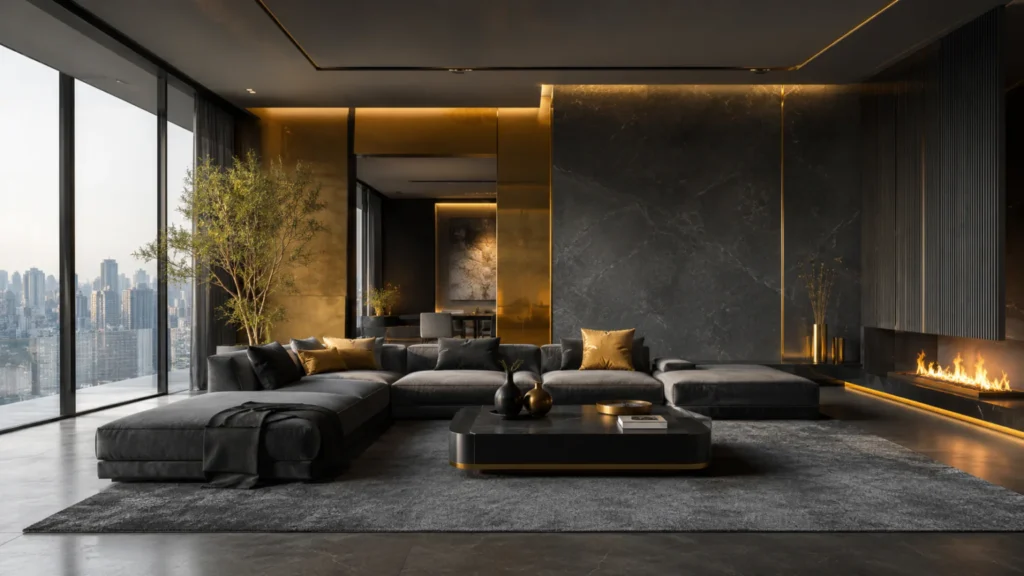
Key Characteristics of Contemporary Interior Design
Several characteristics commonly define contemporary interiors.
1. Clean and Refined Lines
Contemporary spaces generally avoid excessive ornamentation. Furniture, cabinetry, architectural elements, and lighting often feature straight, curved, or carefully controlled geometric forms.
Clean lines make rooms feel organized while allowing important architectural features and materials to become visual focal points.
2. Neutral and Sophisticated Colors
Contemporary interiors frequently use shades such as:
- White
- Beige
- Cream
- Taupe
- Gray
- Charcoal
- Warm brown
- Soft black
Accent colors can be introduced through artwork, furniture, rugs, cushions, plants, or decorative objects.
The objective is not necessarily to create an entirely monochromatic room. Instead, contemporary design uses color strategically to establish harmony and visual interest.
3. Functional Space Planning
Function is central to contemporary design. Furniture should support how people actually use the space rather than simply filling empty areas.
For example, a living room might include clearly defined areas for:
- Conversation
- Entertainment
- Reading
- Working
- Relaxation
Good space planning improves movement, reduces visual clutter, and makes the interior more comfortable.
4. Natural and Modern Materials
Contemporary design often combines natural materials with modern finishes.
Popular choices include:
- Natural wood
- Stone
- Marble
- Glass
- Metal
- Concrete
- Textured fabrics
- Engineered surfaces
- Matte laminates
Combining different textures prevents a neutral interior from appearing flat or sterile.
5. Layered Lighting
Lighting plays a major role in contemporary interiors. Instead of depending on one ceiling fixture, designers often combine multiple lighting sources.
A well-planned scheme may include:
- Ambient lighting
- Task lighting
- Accent lighting
- Pendant lights
- Recessed lights
- Wall lights
- Under-cabinet lighting
- Decorative lamps
This creates flexibility throughout the day and helps highlight architectural details and furniture.
What Is Contemporary Design Compared With Modern Design?
One of the most common questions is whether contemporary and modern interior design are the same.
They are related, but they are not identical.
Modern design generally refers to a particular design movement that developed during the 20th century. Contemporary design, on the other hand, describes what is considered current and relevant today.
| Feature | Contemporary Design | Modern Design |
|---|---|---|
| Meaning | Current and evolving style | Specific historical design movement |
| Approach | Flexible | More defined |
| Materials | Natural and modern materials | Wood, leather, glass, steel and similar materials |
| Colors | Neutral with changing accents | Often neutral and earthy |
| Furniture | Can include current curved or geometric forms | Often streamlined and functional |
| Technology | Easily integrated | Not a defining historical feature |
| Trends | Can adapt to new trends | Based on established principles |
| Overall feel | Current, refined and adaptable | Timeless, structured and minimalist |
In simple terms, modern design has historical roots, while contemporary design keeps changing with the present.
Why Is Contemporary Interior Design So Popular?
The popularity of contemporary interiors comes largely from their adaptability.
Modern homeowners often want spaces that look sophisticated but are also practical for everyday life. Contemporary design provides a framework for achieving that balance.
Benefits of Contemporary Interior Design
1. Flexible:
The style can adapt to apartments, villas, offices, studios, and large luxury homes.
2. Functional:
Furniture and layouts are selected according to practical requirements.
3. Visually clean:
Reduced clutter creates a calmer and more organized environment.
4. Easy to personalize:
Artwork, lighting, textures, furniture, and accessories can introduce individual character.
5. Suitable for technology:
Smart lighting, entertainment systems, automated curtains, and other technologies can be integrated naturally.
6. Adaptable over time:
Because contemporary design evolves, individual elements can be updated without completely redesigning the room.
Elements of a Contemporary Interior
Understanding the main elements makes it easier to plan a contemporary space successfully.
Contemporary Furniture
Furniture generally combines comfort with clean aesthetics.
Popular choices include:
- Low-profile sofas
- Sculptural lounge chairs
- Simple dining tables
- Streamlined beds
- Floating TV units
- Handleless storage
- Minimalist coffee tables
- Custom-built cabinetry
Furniture should maintain comfortable proportions. A room filled with oversized pieces can quickly lose the spacious feeling associated with contemporary interiors.
Contemporary Flooring
Flooring provides the foundation for the entire room.
Common choices include:
- Large-format porcelain tiles
- Natural stone
- Engineered wood
- Hardwood
- Microcement-style finishes
- Neutral-toned tiles
The flooring should complement the overall palette instead of competing with furniture and architectural details.
Contemporary Walls
Walls do not need excessive decoration to become interesting.
Designers may use:
- Textured paint
- Fluted panels
- Wood wall treatments
- Stone cladding
- Microcement finishes
- Large-scale artwork
- Decorative panels
One carefully designed feature wall can often create more impact than covering every wall with decorative materials.
Contemporary Ceilings
Ceiling design can enhance the architecture of a space without overwhelming it.
Popular approaches include:
- Simple recessed lighting
- Minimal false ceilings
- Linear lighting
- Cove lighting
- Wood detailing
- Clean geometric forms
The ceiling should support the lighting strategy and overall architecture.
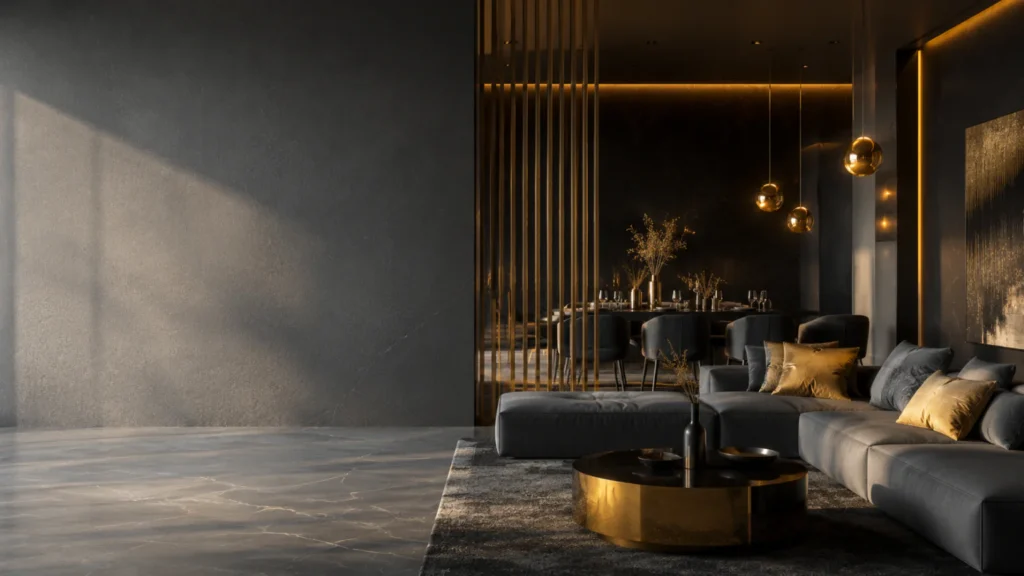
How to Create a Contemporary Interior Design
Creating a successful contemporary interior is easier when the process follows a logical sequence.
Step 1: Understand the Space
Start by assessing:
- Room dimensions
- Natural light
- Window positions
- Door locations
- Ceiling height
- Existing architectural features
- Electrical points
- Storage requirements
A beautiful design that ignores the practical characteristics of a room can become difficult to use.
Step 2: Define the Functional Requirements
Before selecting furniture or finishes, determine how the room will be used.
For example, a living room may need:
- Comfortable seating
- Entertainment storage
- Flexible lighting
- Display space
- Easy circulation
- Charging points
- Hidden storage
Function should guide design decisions.
Step 3: Select a Color Foundation
Choose two or three dominant neutral tones before adding accents.
A useful combination might include:
Warm beige + natural oak + charcoal accents
or
Soft gray + white + walnut
The specific combination can vary depending on natural light, room size, architecture, and personal preference.
Step 4: Choose Materials and Textures
Mix smooth and textured surfaces to create depth.
For example:
Matte cabinetry + natural wood + textured fabric + stone + brushed metal
This approach makes the interior visually richer without relying on excessive decoration.
Step 5: Plan Lighting
Create layers instead of using a single light source.
Think about lighting at three levels:
- General illumination
- Functional lighting
- Decorative or accent lighting
This gives the homeowner greater control over the atmosphere.
Step 6: Add Furniture
Select furniture according to the room’s proportions.
Measure the available space before purchasing large items, particularly sofas, beds, dining tables, wardrobes, and entertainment units.
Step 7: Add Personal Details
The final stage is personalization.
Consider:
- Artwork
- Indoor plants
- Rugs
- Cushions
- Sculptural objects
- Books
- Decorative lighting
- Family photographs
Contemporary does not have to mean impersonal.
Luxury Contemporary Interior Design
Luxury contemporary interior design combines the clean, evolving principles of contemporary design with premium materials, sophisticated craftsmanship, advanced technology, and carefully controlled detailing.
Luxury does not simply mean using expensive materials. The strongest luxury interiors are defined by quality, proportion, customization, comfort, and attention to detail.
Features of Luxury Contemporary Interiors
A luxury contemporary space may include:
- Custom furniture
- Premium natural stone
- High-quality wood veneers
- Bespoke cabinetry
- Integrated appliances
- Designer lighting
- Smart-home systems
- Custom rugs
- Large-format surfaces
- High-quality hardware
- Architectural detailing
- Carefully selected artwork
The design should feel sophisticated without becoming visually excessive.
How to Make Contemporary Design Look Luxurious
You do not need to use expensive finishes everywhere.
Instead, focus investment on elements that have the greatest visual and functional impact.
Prioritize:
- High-quality lighting
- Custom storage
- Premium hardware
- Statement furniture
- Natural stone or high-quality alternatives
- Professional space planning
- Quality craftsmanship
- Consistent material coordination
A smaller number of high-quality elements can create a stronger impression than a room filled with unrelated luxury products.
Contemporary Interior Design Ideas for Different Rooms
Contemporary Living Room
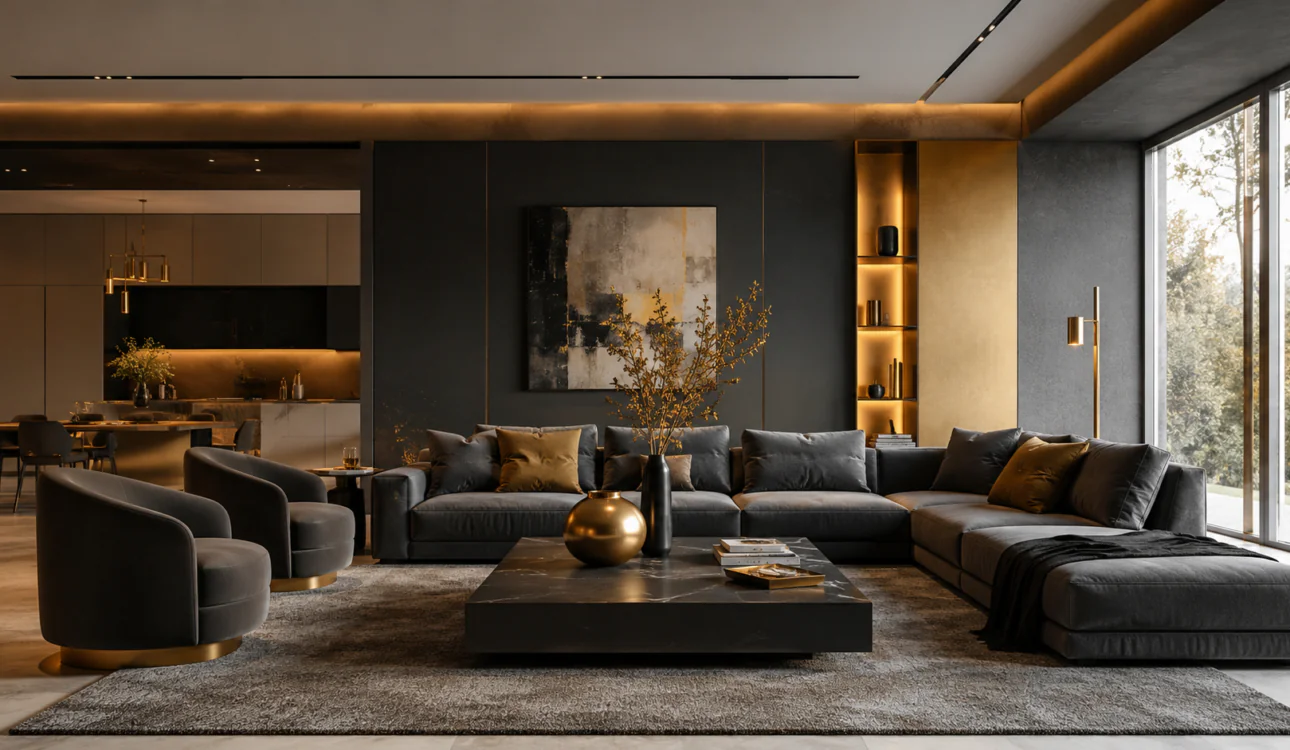
A contemporary living room can combine a comfortable sofa, minimal coffee table, textured rug, integrated media unit, layered lighting, and one strong artwork piece.
Keep circulation open and avoid pushing too much furniture into the room.
Contemporary Bedroom
The bedroom should emphasize comfort and calm.
Consider:
- Upholstered bed
- Neutral bedding
- Soft bedside lighting
- Full-height curtains
- Integrated wardrobes
- Wooden accents
- Minimal bedside tables
- Soft textures
Contemporary Kitchen
Contemporary kitchens often use streamlined cabinetry and integrated appliances.
Popular features include:
- Handleless cabinets
- Large-format backsplash materials
- Under-cabinet lighting
- Kitchen islands
- Quartz or stone surfaces
- Integrated appliances
- Tall storage units
The kitchen should look refined while remaining highly functional.
Contemporary Bathroom
A contemporary bathroom can use large-format tiles, floating vanities, frameless shower screens, concealed storage, modern fixtures, and layered lighting.
Natural textures such as stone and wood-inspired finishes can add warmth.
Contemporary Interior Design Checklist
Before finalizing your design, use this practical checklist:
- Define the purpose of each room
- Measure the space accurately
- Create a functional furniture layout
- Choose a coordinated neutral palette
- Select complementary materials
- Combine different textures
- Plan layered lighting
- Include sufficient storage
- Avoid unnecessary decoration
- Add personal artwork or accessories
- Consider smart-home requirements
- Check furniture proportions
- Review the complete design before execution
Common Mistakes to Avoid
Contemporary interiors can look unsuccessful when simplicity is misunderstood as emptiness.
Using Too Many Trends
If every piece follows the latest trend, the room can quickly look dated.
Better approach: Use a timeless foundation and add a limited number of current design elements.
Ignoring Comfort
A visually attractive chair that is uncomfortable does not improve the quality of a home.
Choose furniture based on both appearance and everyday usability.
Making Everything Neutral
Neutral colors are common in contemporary interiors, but too many similar shades can make a room feel flat.
Introduce contrast through texture, wood, artwork, lighting, or carefully selected accent colors.
Poor Lighting
Even expensive materials can look ordinary under poorly planned lighting.
Lighting should be considered during the design stage rather than added as an afterthought.
Creating Clutter
Contemporary interiors depend on visual organization.
Use concealed storage wherever possible and keep decorative objects intentionally selected.
Is Contemporary Interior Design Suitable for Small Homes?
Yes. Contemporary design can work particularly well in smaller homes because it emphasizes efficient layouts, visual simplicity, multifunctional furniture, and organized storage.
For a small space:
- Choose appropriately sized furniture
- Use multifunctional pieces
- Consider built-in storage
- Use consistent flooring where appropriate
- Maximize natural light
- Use reflective surfaces carefully
- Keep circulation clear
- Avoid excessive patterns
- Use vertical storage
- Select a limited material palette
The objective is not to make every small room look empty. It is to make every element serve a clear purpose.
Contemporary vs Minimalist Interior Design
Contemporary and minimalist interiors can look similar, but their priorities differ.
| Aspect | Contemporary | Minimalist |
|---|---|---|
| Main focus | Current design and functionality | Simplicity and reduction |
| Decoration | Selective | Very limited |
| Materials | Flexible | Usually restrained |
| Furniture | Comfortable and current | Essential and simple |
| Color | Neutral with possible accents | Often highly restrained |
| Personalization | Moderate to high | Usually subtle |
A contemporary interior can therefore include more personality and decorative elements than a strict minimalist space.
How Much Does Contemporary Interior Design Cost?
The cost depends on the project’s location, size, materials, customization, design scope, and execution requirements.
A basic contemporary refresh may involve repainting, furniture changes, lighting, and accessories. A complete interior project can involve flooring, false ceilings, electrical work, modular cabinetry, bathrooms, kitchens, custom furniture, and smart-home systems.
Before starting, establish:
- Overall budget
- Design requirements
- Material preferences
- Furniture requirements
- Customization level
- Execution timeline
- Contingency allowance
For accurate budgeting, obtain a detailed quotation rather than relying on a single approximate price.
How to Choose an Interior Designer for a Contemporary Home
The right designer can make a significant difference to the final result.
Look for a professional who can demonstrate:
- Relevant contemporary design experience
- A strong project portfolio
- Clear space-planning skills
- Material knowledge
- Transparent pricing
- Detailed project scope
- Practical execution experience
- Reliable communication
- Quality control
- Understanding of your lifestyle
Questions to Ask Before Hiring
Ask the designer:
- How will you plan the space?
- What materials do you recommend and why?
- What is included in the quotation?
- How will design changes be handled?
- Who manages execution?
- What is the expected project timeline?
- How are quality issues addressed?
- Can I see completed projects similar to mine?
A good designer should be able to explain not only what they recommend but also why it is appropriate for your space.
Final Thoughts
So, what is contemporary interior design? It is an evolving approach to interior spaces that combines current aesthetics with practical functionality, comfort, balanced proportions, modern materials, thoughtful lighting, and personal expression.
The best contemporary interiors do not simply follow trends. They respond to the people who use the space.
Whether you prefer a warm contemporary living room, a sophisticated bedroom, a functional contemporary kitchen, or a luxury contemporary interior design concept, the foundation remains the same: understand the space, prioritize function, create visual balance, select materials carefully, and use decoration with intention.
A successful contemporary interior should feel current today while remaining adaptable enough to work well for years to come.
Contemporary interior design is a current and evolving style that combines clean lines, functional layouts, neutral colors, modern materials, comfortable furniture, natural textures, and carefully planned lighting.
Modern interior design generally refers to a specific 20th-century design movement, while contemporary design reflects current and evolving design preferences. Contemporary interiors can incorporate newer materials, shapes, technologies, and trends.
Common colors include white, beige, cream, taupe, gray, charcoal, black, and warm wood tones. Accent colors can be added through artwork, furniture, accessories, and textiles
Yes. Its emphasis on functional layouts, clean visual lines, multifunctional furniture, integrated storage, and reduced clutter makes contemporary design suitable for apartments and compact homes.
Focus on quality rather than excessive decoration. Use a coordinated color palette, premium-looking materials, custom storage, comfortable furniture, layered lighting, sophisticated hardware, natural textures, and carefully selected statement pieces.