
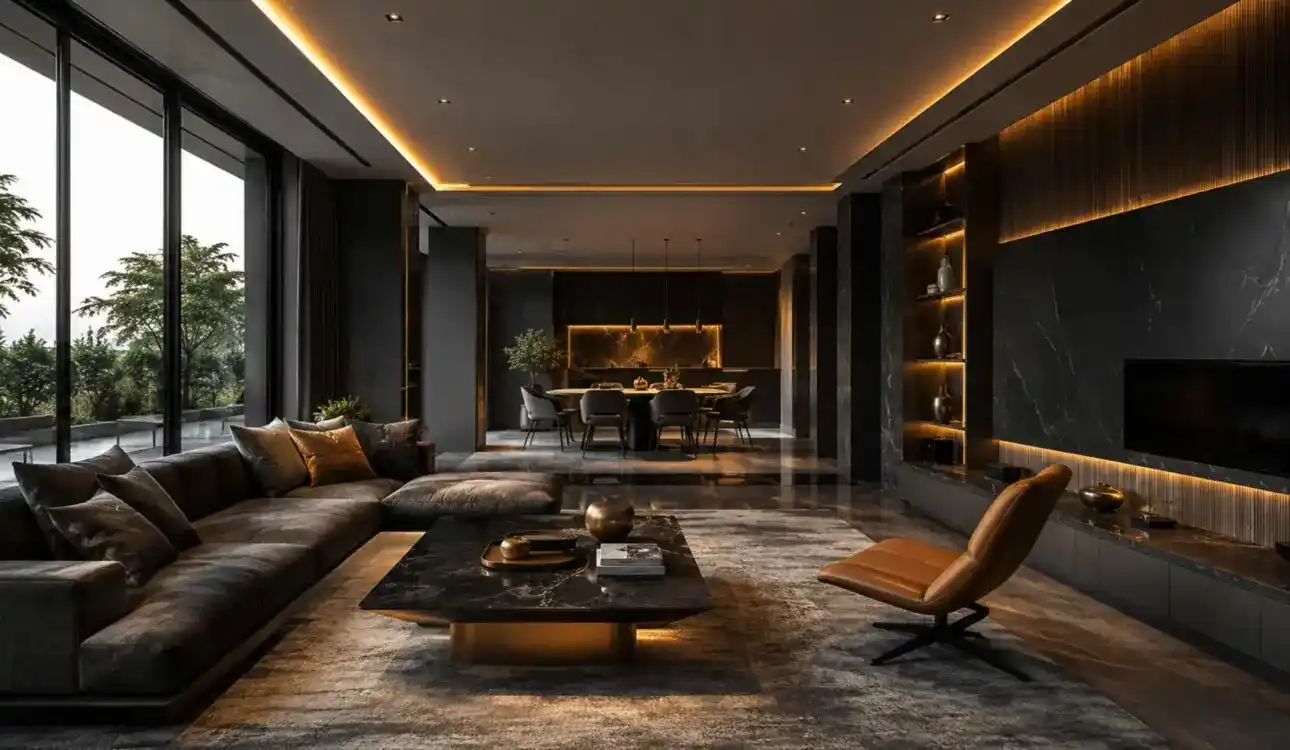
If you enjoy creativity, architecture, colours, furniture, space planning, and problem-solving, you may have wondered: what is the work of an interior designer? An interior designer does much more than select attractive furniture or decorate rooms. They plan functional spaces, develop design concepts, prepare drawings, select materials, coordinate with contractors, manage budgets, and help turn an idea into a practical finished interior.
Interior designers work on homes, offices, restaurants, hotels, retail stores, healthcare facilities, and other commercial spaces. Their job combines creative thinking, technical knowledge, communication, project management, and an understanding of how people use spaces.
Whether you are considering interior design as a career or planning to hire a professional, understanding the responsibilities of an interior designer can help you see what happens behind a successful interior project.
What Is the Work of an Interior Designer?
The primary work of an interior designer is to transform an interior space according to the client’s functional requirements, lifestyle, aesthetic preferences, budget, and project objectives.
An interior designer generally handles the project from the initial consultation through design development and, depending on the scope of services, execution and final installation.
Their responsibilities may include:
- Understanding client requirements
- Measuring and analysing spaces
- Creating space-planning concepts
- Developing interior design concepts
- Selecting colours, materials, furniture, and finishes
- Preparing layouts and technical drawings
- Creating 2D drawings and 3D visualisations
- Preparing material and furniture specifications
- Estimating project costs
- Coordinating with contractors and vendors
- Monitoring project progress
- Checking design quality and execution
- Resolving site-related design issues
- Reviewing the completed space
In simple terms, an interior designer connects ideas, technical planning, materials, people, and execution to create a usable interior.
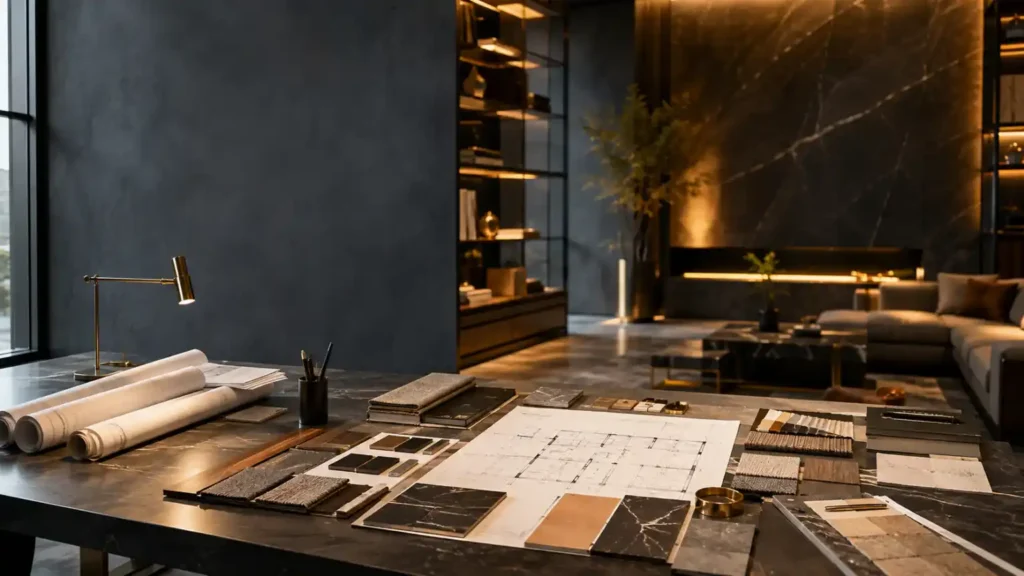
What Does an Interior Designer Do on a Daily Basis?
The daily schedule of an interior designer varies according to the project stage. One day may involve a client meeting, while another may be spent preparing drawings or visiting a construction site.
A typical working day may include:
- Checking project updates and deadlines.
- Responding to client questions.
- Reviewing floor plans and design drawings.
- Developing furniture or lighting layouts.
- Selecting materials and finishes.
- Meeting suppliers or contractors.
- Visiting project sites.
- Checking measurements and installation details.
- Revising designs based on feedback.
- Preparing presentations or 3D concepts.
Therefore, there is no single routine for every interior designer. The work changes depending on whether the designer is in the research, planning, design, documentation, procurement, or execution stage.
Main Responsibilities of an Interior Designer
1. Understanding Client Requirements
Every successful interior project begins with understanding the client.
An interior designer discusses:
- Lifestyle and daily habits
- Functional requirements
- Preferred design style
- Number of users
- Storage requirements
- Colour preferences
- Furniture requirements
- Lighting expectations
- Project budget
- Timeline
- Specific space-related problems
For example, a family may need additional storage and child-friendly materials, while a corporate office may prioritise efficient workstations, meeting rooms, acoustics, and employee comfort.
The designer converts these requirements into a practical design brief.
2. Space Planning
Space planning is one of the most important parts of interior design.
The designer studies the available area and determines how different elements should be positioned. This can include furniture, circulation paths, storage, work areas, partitions, lighting points, and other functional zones.
Good space planning helps:
- Improve movement
- Reduce wasted space
- Increase functionality
- Create appropriate circulation
- Improve furniture placement
- Support natural light and ventilation
- Make rooms feel more comfortable
A beautiful interior can still be unsuccessful if the space is difficult to use. That is why professional designers balance appearance with functionality.
3. Developing the Design Concept
Once the requirements are clear, the designer develops a visual direction for the project.
The concept may be:
- Modern
- Contemporary
- Minimalist
- Traditional
- Industrial
- Scandinavian
- Luxury
- Transitional
- Biophilic
- Japandi
The designer may create mood boards, colour palettes, reference images, material combinations, sketches, and 3D visualisations to communicate the concept.
4. Preparing Drawings and Design Documentation
Interior designers often work with detailed drawings and documentation to communicate exactly how a design should be executed.
Depending on the project, documentation may include:
- Furniture layouts
- Flooring layouts
- Ceiling plans
- Lighting layouts
- Electrical layouts
- Wall elevations
- Partition details
- Joinery drawings
- Kitchen layouts
- Bathroom layouts
- Material specifications
- Furniture specifications
These documents help contractors and tradespeople understand the design intent.
5. Selecting Materials and Finishes
Interior designers need to understand materials and how they perform in real environments.
Common selections include:
- Wood and wood-based panels
- Natural and engineered stone
- Tiles
- Paint
- Glass
- Metal
- Fabric
- Wallpaper
- Laminates
- Veneers
- Flooring materials
- Decorative finishes
Material selection should consider more than appearance. Designers may evaluate durability, maintenance, availability, cost, environmental considerations, safety, and suitability for the space.
6. Furniture and Lighting Selection
Furniture contributes to both comfort and visual identity.
An interior designer considers the dimensions, proportions, circulation requirements, ergonomics, style, material, and budget before recommending furniture.
Lighting is equally important. Designers may work with:
- Ambient lighting
- Task lighting
- Accent lighting
- Decorative lighting
- Natural light
A well-planned lighting scheme can improve functionality while changing the atmosphere of an interior.

Interior Designer vs. Decorator: What Is the Difference?
The terms “interior designer” and “interior decorator” are sometimes used interchangeably, but their responsibilities can differ.
| Interior Designer | Interior Decorator |
|---|---|
| Focuses on function and aesthetics | Primarily focuses on aesthetics |
| Works with space planning | Works mainly with furnishings and finishes |
| May prepare technical drawings | Usually has a narrower documentation role |
| Can coordinate design with construction | May work after major construction |
| Considers circulation and spatial functionality | Concentrates on visual appearance |
| May coordinate multiple project professionals | Often coordinates decoration-related selections |
The exact scope varies by professional, company, project, and local regulations. For major renovation or structural work, other qualified professionals may also be required.
What Is the Work Environment of an Interior Designer?
The work environment of an interior designer can change frequently. Interior designers commonly divide their time between offices, studios, client locations, showrooms, suppliers, and project sites.
Interior Design Studio
At a studio or office, designers may:
- Prepare drawings
- Create 3D models
- Research materials
- Develop concepts
- Prepare presentations
- Communicate with clients
- Coordinate project schedules
Client Locations
Client meetings may take place at homes, offices, commercial properties, or other project locations.
The designer may evaluate the existing space, understand the client’s requirements, take measurements, or discuss design decisions.
Project Sites
Site visits are an important part of many interior projects.
Designers may inspect:
- Furniture installation
- Flooring
- Ceiling work
- Wall finishes
- Lighting positions
- Joinery
- Material installation
- Design details
They may also identify differences between the design drawings and actual site conditions.
Showrooms and Suppliers
Interior designers frequently visit furniture, lighting, sanitaryware, flooring, fabric, hardware, and material showrooms.
This allows them to compare products, inspect finishes, evaluate quality, and make informed recommendations.
Skills Required to Become an Interior Designer
Interior design requires a combination of creative, technical, and interpersonal abilities.
Creative Skills
A designer should develop:
- Colour understanding
- Visual composition
- Design sensitivity
- Material knowledge
- Concept development
- Creativity
- Attention to detail
Technical Skills
Technical knowledge may include:
- Space planning
- Furniture dimensions
- Construction basics
- Building materials
- Lighting principles
- Electrical coordination
- Drawing interpretation
- CAD software
- 3D visualisation tools
Communication Skills
Interior designers regularly communicate with clients, architects, contractors, suppliers, manufacturers, and other professionals.
They need to explain design decisions clearly and listen carefully to feedback.
Project Management Skills
Design projects involve deadlines, budgets, materials, vendors, and multiple people. Organisation and time management are therefore essential.
Step-by-Step: How an Interior Designer Handles a Project
A typical residential interior design project may follow these stages.
Step 1: Initial Consultation
The designer discusses the client’s requirements, lifestyle, preferred style, budget, timeline, and project scope.
Step 2: Site Survey
Measurements and existing conditions are documented. The designer studies the space, openings, services, structural limitations, and other relevant conditions.
Step 3: Concept Development
The designer creates a design direction using layouts, references, mood boards, materials, colours, and preliminary visualisations.
Step 4: Space Planning
Furniture, circulation, storage, partitions, and functional zones are arranged to make the space practical.
Step 5: Design Development
The selected concept is developed into detailed layouts, elevations, material selections, furniture specifications, lighting ideas, and other required documentation.
Step 6: Client Approval
The client reviews the proposed design and provides feedback. Revisions are made until the agreed design direction is established.
Step 7: Budget and Material Coordination
Materials, furniture, fixtures, finishes, and other project components are reviewed against the available budget.
Step 8: Execution Coordination
Depending on the service agreement, the designer may coordinate with contractors, vendors, fabricators, and installation teams.
Step 9: Site Monitoring
The designer checks whether important design elements are being executed according to the approved design and drawings.
Step 10: Final Review
The completed interior is inspected for design quality, functionality, finishes, furniture placement, and outstanding work
Where Can Interior Designers Work?
Interior designers can build careers across several sectors.
| Sector | Typical Projects |
|---|---|
| Residential | Apartments, villas, houses |
| Corporate | Offices and workspaces |
| Hospitality | Hotels, resorts, restaurants |
| Retail | Shops, showrooms, stores |
| Healthcare | Clinics and healthcare interiors |
| Education | Schools, colleges, training spaces |
| Commercial | Offices and business premises |
| Exhibition | Displays and temporary installations |
| Furniture | Furniture and product-related design |
| Freelancing | Independent residential and commercial projects |
Some designers work for established interior design firms, while others join architectural practices, construction companies, furniture brands, or start independent studios.
Interior Designer Career Checklist
If you are considering interior design as a career, assess whether you enjoy the following:
- Creating and developing design ideas
- Working with colours and materials
- Understanding how spaces function
- Drawing and visualising concepts
- Learning design software
- Communicating with clients
- Visiting project sites
- Solving practical design problems
- Managing multiple deadlines
- Paying attention to small details
- Learning about furniture and construction
- Working collaboratively with other professionals
You do not need to be naturally excellent at every skill from the beginning. Many abilities improve through education, practice, internships, project work, and professional experience.
Common Challenges in Interior Design
Interior design can be rewarding, but it is also demanding.
Budget Constraints
Clients may have ambitious expectations but limited budgets. Designers need to find solutions that provide value without compromising essential functionality.
Changing Requirements
Clients may change their preferences during the project. Designers need to manage revisions without losing control of the overall concept.
Site Conditions
Existing buildings can contain unexpected issues such as inaccurate dimensions, service locations, structural limitations, or construction constraints.
Multiple Stakeholders
A project may involve clients, contractors, electricians, plumbers, carpenters, suppliers, architects, and other professionals. Coordination is essential.
Deadlines
Materials, drawings, approvals, fabrication, and installation must often happen in a particular sequence. Delays in one area can affect other activities.
These challenges are why professional interior design requires more than creativity.
How Interior Designers Add Value to a Project
Hiring an interior designer can provide value in several ways.
A professional can help you:
- Use available space efficiently
- Create a cohesive design
- Avoid unsuitable material combinations
- Plan furniture before purchasing
- Coordinate finishes
- Identify practical storage opportunities
- Improve lighting decisions
- Communicate design requirements to contractors
- Reduce avoidable design mistakes
- Make decisions systematically
The greatest value is often not a single decorative element but the overall coordination of the space.
How to Choose the Right Interior Designer
If you are hiring an interior designer, do not select someone based only on photographs.
Consider this checklist:
- Review relevant project portfolios.
- Check whether their style matches your requirements.
- Ask what services are included.
- Discuss the expected project timeline.
- Understand how revisions are handled.
- Ask how materials and vendors are selected.
- Clarify project coordination responsibilities.
- Discuss the budget and payment structure.
- Request clear documentation of the agreed scope.
- Check references or verified reviews where available.
- Confirm who will supervise execution.
A good designer should be able to explain why a particular design solution is suitable rather than simply showing attractive images.
Final Thoughts
So, what is the work of an interior designer? It is the process of turning the requirements of people and spaces into thoughtful, functional, and visually successful interiors.
An interior designer works across many stages—from understanding the client’s needs and analysing the space to developing concepts, selecting materials, preparing drawings, coordinating professionals, and supporting execution.
The profession combines creativity with technical thinking. A successful designer must understand not only what looks good but also what works well, fits the space, suits the user, meets practical requirements, and can realistically be executed.
For aspiring designers, developing design skills, technical knowledge, software proficiency, communication abilities, and real project experience can create a strong foundation for a professional career. For clients, understanding the designer’s role makes it easier to appreciate the planning and coordination that goes into a successful interior project.
The work of an interior designer is to plan and develop functional, comfortable, safe, and visually appealing interior spaces. Their responsibilities can include space planning, concept development, drawings, material selection, furniture planning, client communication, and project coordination.
An interior designer may spend a typical day preparing drawings, meeting clients, researching materials, creating designs, reviewing 3D models, coordinating with contractors, visiting project sites, or resolving design-related issues. Daily responsibilities depend on the project’s current stage.
Interior designers usually work across several environments, including design studios, offices, client properties, project sites, furniture stores, material showrooms, and supplier locations. Their work is often a combination of computer-based design, meetings, research, and site visits.
Important skills include creativity, space planning, colour and material knowledge, technical drawing, design software, communication, problem-solving, project coordination, time management, and attention to detail.
Interior design can be a strong career option for people who enjoy creativity, architecture, problem-solving, technology, and working with clients. Career opportunities can exist in residential design, commercial interiors, hospitality, retail, architecture, furniture, freelancing, and independent design businesses.