
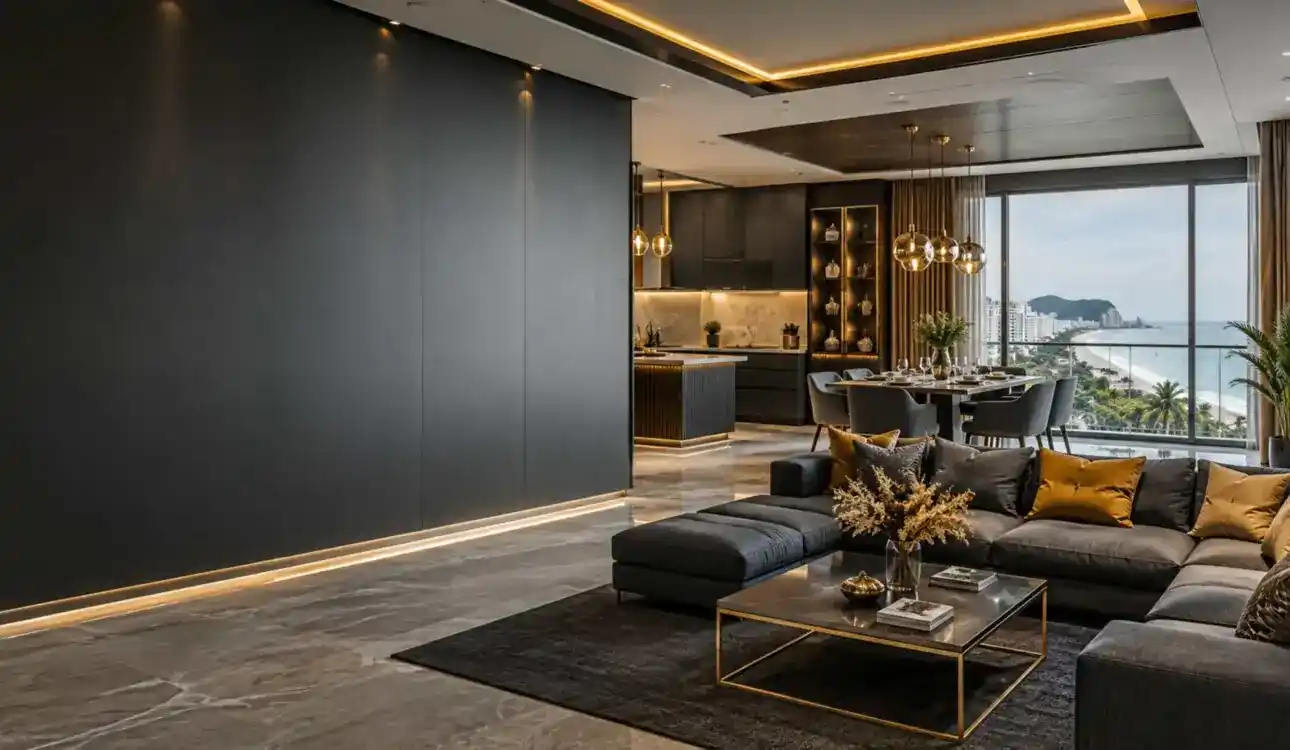
Planning your dream home in Visakhapatnam? Choosing the right home interiors Vizag service can make a major difference to the appearance, functionality, comfort, and long-term value of your home. From compact 2BHK apartments to spacious villas, professional interior planning can help you use every corner efficiently while creating a space that reflects your lifestyle.
Vizag homeowners today have access to a wide range of interior solutions, including modular kitchens, wardrobes, false ceilings, living room designs, bedroom interiors, lighting, furniture, storage solutions, and complete home makeovers.
But one important question usually comes first: How much do home interiors cost in Vizag, and how do you choose a reliable interior designer?
This guide explains home interiors Vizag price, design options, material choices, reviews, budgeting factors, the hiring process, and practical tips for getting better results from your interior project.
What Are Home Interiors in Vizag?
Home interiors refer to the planning, designing, furnishing, and finishing of residential spaces. A professional interior project can cover individual rooms or the entire home.
Common home interior services in Vizag include:
- Modular kitchen design
- Bedroom interiors
- Living room interiors
- TV unit and entertainment walls
- Wardrobes and storage
- Dining area design
- False ceilings
- Electrical and decorative lighting
- Wall treatments
- Flooring and finishes
- Custom furniture
- Curtains and soft furnishings
- Bathroom storage and vanity units
- Complete home interior design and execution
A good interior design is not simply about making a house look attractive. It should also improve storage, movement, lighting, functionality, maintenance, and everyday comfort.
Home Interiors Vizag Price: What Does It Cost?
The cost of home interiors Vizag projects depends on several variables, so there is no single price that applies to every home.
A practical way to estimate your budget is to divide the project into three broad categories:
| Interior Level | Typical Approach | Suitable For |
|---|---|---|
| Basic | Functional designs, standard materials and finishes | Budget-conscious homeowners |
| Mid-range | Better finishes, customized storage and improved detailing | Most modern apartments |
| Premium | High-end materials, extensive customization and designer detailing | Luxury homes and villas |
Actual project costs can vary considerably. Before comparing quotations, ask each interior company to provide a detailed scope covering materials, hardware, finishes, labour, installation, transportation, electrical work, and taxes where applicable.
What Influences Interior Design Cost in Vizag?
Several factors can increase or reduce your final investment.
1. Size of the Home
A larger home generally requires more cabinetry, furniture, lighting, materials, and installation work.
A compact 2BHK may require fewer materials than a large 3BHK or villa, but clever planning becomes especially important in smaller homes.
2. Material Selection
Materials have a major impact on both price and durability.
Common choices include:
- Plywood
- MDF
- HDF
- Particle board
- Laminates
- Acrylic finishes
- Veneers
- Glass
- Natural or engineered stone
- Solid wood
Instead of asking only, “Which material is cheapest?”, compare durability, moisture resistance, maintenance requirements, warranty, and suitability for the specific room.
3. Hardware and Accessories
Cabinet hardware can significantly influence the budget.
Examples include:
- Hinges
- Drawer channels
- Lift-up mechanisms
- Soft-close systems
- Pull-out baskets
- Corner units
- Handles
- Tall-unit accessories
Premium hardware can improve convenience and longevity, particularly in frequently used kitchens and wardrobes.
4. Customization
A standard modular design is generally easier to execute than a highly customized interior.
Curved furniture, unusual storage requirements, architectural detailing, premium finishes, and customized furniture can increase both material and labour costs.
5. Electrical and Lighting Work
Lighting is often overlooked during initial budgeting.
Your interior plan may require:
- Cove lighting
- Spotlights
- Pendant lights
- Under-cabinet lighting
- Wardrobe lights
- Decorative wall lights
- Additional electrical points
- Smart switches
Planning these requirements early can prevent expensive changes later.
Best Home Interior Styles for Vizag Homes
There is no single design style that works for every homeowner. Your choice should depend on your lifestyle, home size, maintenance preferences, and personal taste.
Modern Minimalist Interiors
Minimalist interiors focus on clean lines, practical furniture, neutral colours, and uncluttered spaces.
They work particularly well for apartment owners who want a contemporary home without excessive decoration.
Contemporary Interiors
Contemporary interiors combine modern furniture, functional storage, layered lighting, and sophisticated finishes.
Typical elements include:
- Neutral colour palettes
- Wooden textures
- Glass
- Metal accents
- Geometric forms
- Clean cabinetry
Luxury Interiors
Luxury interiors focus on premium materials, sophisticated lighting, statement furniture, custom detailing, and refined finishes.
A luxury design does not necessarily mean filling every room with expensive materials. Proportion, lighting, material coordination, and craftsmanship are equally important.
Traditional and Indian-Inspired Interiors
Traditional interiors can incorporate wooden furniture, warm colours, decorative elements, classic patterns, and culturally inspired details.
For homeowners who want a modern home with traditional character, a transitional design can combine contemporary functionality with Indian-inspired aesthetics.
Scandinavian-Inspired Interiors
Scandinavian design emphasizes simplicity, natural textures, light colours, practical furniture, and visual openness.
It can be a strong choice for smaller apartments because the design philosophy prioritizes functionality and uncluttered spaces.
How to Choose the Right Home Interior Designer in Vizag
Selecting an interior designer should involve more than looking at attractive Instagram or website photographs.
Use this step-by-step process.
Step 1: Define Your Requirements
Before contacting designers, prepare a basic list of your requirements.
For example:
- Property type
- Number of bedrooms
- Required storage
- Kitchen requirements
- Preferred design style
- Furniture requirements
- Approximate budget
- Expected completion date
The clearer your brief, the easier it becomes for designers to prepare relevant proposals.
Step 2: Shortlist Multiple Designers
Do not immediately hire the first company you contact.
Shortlist around three to five suitable interior designers or companies and compare their experience, portfolios, services, communication style, and project approach.
Step 3: Check Previous Projects
Look for projects similar to yours.
If you own a 2BHK apartment, examples of large luxury villas may not tell you much about how effectively the designer handles compact residential spaces.
Ask:
- Have they completed similar homes?
- Can they show real project photographs?
- Do their designs match your preferred style?
- Can they provide references where appropriate?
Step 4: Compare Detailed Quotations
Never compare quotations based only on the final number.
Check whether each quotation includes:
- Material specifications
- Brand or grade where relevant
- Hardware details
- Cabinet dimensions
- Finish type
- Installation
- Electrical work
- Civil work
- Transportation
- Project management
- Warranty
- Taxes
A lower quotation may not actually be cheaper if important work has been excluded.
Step 5: Understand the Timeline
Ask for a realistic project schedule.
A typical interior project may involve:
- Requirement discussion
- Site measurement
- Concept development
- 3D design
- Design revisions
- Material finalization
- Production
- Site preparation
- Installation
- Final inspection
- Handover
The actual timeline depends on project size, customization, material availability, approvals, and site conditions.
Home Interiors Vizag Reviews: What Should You Look For?
Searching for home interiors Vizag reviews can help you understand how previous customers experienced a company. However, reviews should be evaluated carefully rather than judged only by the star rating.
Look Beyond the Overall Rating
Read reviews for details about:
- Design quality
- Communication
- Installation
- Project management
- Material quality
- Timeliness
- After-sales support
- Response to problems
A detailed review describing the customer’s actual experience can be more useful than a short five-star rating with no explanation.
Look for Consistent Feedback
One negative review does not automatically mean a company is unreliable. Similarly, a large number of positive reviews does not guarantee that every project will be perfect.
Look for recurring patterns.
For example, if several independent customers mention strong communication and good workmanship, that may be a useful signal. If multiple customers report delays or unexpected costs, investigate those issues before signing a contract.
Verify Portfolio Images
Ask whether portfolio images represent the company’s completed projects.
This matters because interior companies may display inspiration images, concept renders, or projects executed by different teams.
Comparison: Designer vs Interior Company vs Contractor
Different professionals can suit different project requirements.
| Option | Best For | Main Advantage | What to Check |
| Interior Designer | Design-focused projects | Creative planning and personalization | Execution capability |
| Interior Company | Complete home interiors | Design + execution under one system | Contract and material scope |
| Contractor | Execution-heavy work | Useful for construction and site work | Design responsibility |
| Modular Provider | Kitchens and storage | Standardized manufacturing | Customization options |
For a complete home project, coordination is particularly important. If design, civil work, electrical work, furniture, and installation are handled by different parties, the homeowner may need to manage communication between them.
How to Plan a Home Interior Budget
Before finalizing a design, divide your budget into categories.
A useful planning structure is:
- Kitchen
- Wardrobes
- Living room
- Bedrooms
- Furniture
- False ceiling
- Lighting
- Electrical modifications
- Civil work
- Decorative elements
- Contingency
Keep a Contingency Budget
Avoid allocating every rupee to the initial quotation.
A contingency amount can help cover unexpected requirements such as additional electrical work, site corrections, material changes, or design modifications.
This is particularly important in renovation projects where existing walls, flooring, plumbing, or electrical systems may require attention.
Smart Interior Ideas for Small Homes in Vizag
Small homes require careful space planning.
Use Vertical Storage
Take advantage of wall height with tall wardrobes, overhead kitchen cabinets, and carefully planned storage units.
Choose Multi-Functional Furniture
Consider furniture that serves more than one purpose, such as:
- Storage beds
- Foldable tables
- Bench seating with storage
- Wall-mounted desks
- Modular furniture
Use Light Colours Strategically
Light and neutral colours can make compact rooms feel more open when combined with appropriate lighting and uncluttered layouts.
Create Visual Continuity
Using consistent flooring, complementary colours, and coordinated finishes across connected spaces can make an apartment feel larger and more cohesive.
Prioritize Storage
Beautiful interiors become difficult to maintain when there is insufficient storage.
Before finalizing furniture, identify where you will store:
- Clothes
- Kitchen appliances
- Cleaning supplies
- Shoes
- Books
- Documents
- Household accessories
Home Interior Checklist for Vizag Homeowners
Use this checklist before signing your interior contract:
- Define your total project budget
- Prepare a room-by-room requirement list
- Shortlist multiple interior companies
- Review relevant completed projects
- Check customer reviews carefully
- Compare detailed quotations
- Confirm material specifications
- Confirm hardware specifications
- Ask about warranty
- Confirm project timeline
- Understand payment milestones
- Clarify what is excluded
- Confirm design revision limits
- Review final drawings before production
- Document approved materials and finishes
- Keep written records of major changes
Common Home Interior Mistakes to Avoid
Even a well-designed project can become stressful when planning is rushed.
Choosing Only on Price
The cheapest quotation may not provide the best value.
Instead, compare price + material quality + workmanship + warranty + scope + service.
Not Checking Material Specifications
A quotation may mention a general material category without clearly specifying grade, thickness, finish, or hardware.
Ask for these details before approval.
Making Too Many Changes During Execution
Late changes can increase costs and delay production.
Try to finalize important decisions before manufacturing begins.
Ignoring Storage
Homeowners often prioritize aesthetics and forget everyday storage requirements.
Think about your actual lifestyle before approving the final layout.
Not Reading the Contract
Understand payment schedules, delivery commitments, warranty terms, exclusions, cancellation conditions, and change-order procedures.
Overdesigning the Home
Trends change quickly. A timeless base combined with replaceable decorative elements can often provide better long-term value than excessive trend-driven detailing.
How to Get Better Value From Home Interiors Vizag
Getting good value does not mean choosing the cheapest materials. It means spending strategically.
Prioritize investment in areas that receive frequent use:
- Kitchen functionality
- Wardrobe hardware
- Storage
- Electrical planning
- Lighting
- Durable surfaces
- Quality installation
- Proper project management
Decorative elements can be upgraded later, while poorly planned storage or electrical systems can be expensive and inconvenient to change.
Questions to Ask Before Hiring an Interior Company
Before signing the agreement, ask:
What exactly is included in the quotation?
Ask for a detailed scope rather than relying on verbal promises.
Which materials and hardware will be used?
Request specifications in writing.
Who will manage the site?
Know your primary project contact.
How are design changes handled?
Understand whether revisions or modifications create additional costs.
What happens if the project is delayed?
Ask about the expected schedule and communication process.
What warranty or after-sales support is provided?
Get warranty terms documented.
How are payments structured?
Use clearly defined milestones rather than making large undocumented payments.
Final Takeaway
Choosing home interiors Vizag services is a significant investment, so the decision should be based on more than attractive designs or a low quotation.
The right interior partner should understand your lifestyle, budget, space, storage requirements, design preferences, and practical needs. Compare several proposals, evaluate home interiors Vizag price carefully, read home interiors Vizag reviews, verify previous projects, and insist on a clearly documented scope of work.
For the best outcome, focus on the complete value of the project—design quality, materials, functionality, workmanship, communication, timeline, warranty, and after-sales support.
A beautiful home is not simply one that looks impressive in photographs. It is a home that works comfortably for the people living in it every day.
There is no fixed price because interior costs depend on the home’s size, number of rooms, materials, finishes, hardware, customization, furniture, electrical work, and installation requirements. Request a detailed quotation based on your actual floor plan and requirements.
Compare at least three suitable designers or companies based on relevant project experience, portfolio quality, customer feedback, material specifications, quotation transparency, project timeline, warranty, and after-sales service.
Home interiors can be planned across different budget levels. A practical design using standard materials can cost considerably less than a highly customized luxury interior. The best approach is to establish a budget first and prioritize essential functionality.
Look for detailed feedback about communication, design quality, workmanship, material quality, installation, project timelines, problem resolution, and after-sales service. Pay attention to recurring patterns rather than relying on a single review or star rating.
The timeline varies according to the size and complexity of the project. Design approvals, customization, material availability, manufacturing, site readiness, installation, and changes during execution can all affect completion time. Always request a project schedule before work begins.