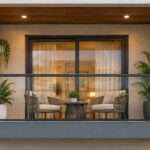

If you are exploring window design in Vizag, consider the local climate, available space, maintenance requirements, and architectural style before making a decision. Coastal weather in Visakhapatnam can expose windows to humidity, rain, and salty air, so selecting suitable materials and finishes is especially important.
Windows play an important role in making a home look beautiful, comfortable, and functional. The right windows allow natural light to enter, improve ventilation, provide privacy, and complement the overall interior design. Whether you are building a new house, renovating an apartment, or upgrading an existing room, choosing the right window style can make a noticeable difference.
From modern aluminium frames and large sliding windows to elegant wooden designs and space-saving casement windows, there are several options for different budgets and home styles.
In this guide, discover popular window styles, material comparisons, estimated prices, room-wise ideas, and practical tips to help you choose the right windows for your home.
Why Is Window Design Important for Modern Homes?
A well-designed window does more than improve the appearance of a room. It influences lighting, airflow, energy efficiency, privacy, and everyday comfort.
Here are the main benefits of choosing the right window design:
- Natural lighting: Larger or strategically positioned windows help bring daylight into living rooms, bedrooms, and kitchens.
- Better ventilation: Operable windows allow fresh air to circulate and can reduce indoor stuffiness.
- Visual appeal: Modern window frames and proportions can complement contemporary, minimalist, traditional, or luxury interiors.
- Space optimization: Sliding and carefully positioned windows work well in rooms where space is limited.
- Privacy: Frosted glass, blinds, curtains, and appropriate window placement help maintain privacy.
- Weather protection: Suitable frames, quality seals, and properly installed glass help protect interiors from rain and outside air.
- Comfort and efficiency: Appropriate glazing and well-sealed frames may help reduce unwanted heat transfer and outside noise.
When planning a home renovation, coordinate your window designs with your flooring, wall colours, furniture, curtains, and overall interior theme.
7 Modern Window Design Ideas for Homes in Vizag
Modern windows combine attractive appearances with practical features. The best option depends on the room’s dimensions, ventilation needs, available wall space, and budget.
1. Sliding Window Design
Sliding windows are a popular choice for contemporary apartments and houses. Their panels move horizontally along a track, so they do not require additional space to open inward or outward.
They are particularly suitable for bedrooms, living rooms, balconies, and areas with limited clearance.
Key benefits:
- Space-saving operation.
- Clean and contemporary appearance.
- Available in aluminium and uPVC frames.
- Suitable for wide window openings.
- Easy integration with modern interior styles.
Sliding windows can be a practical choice for homes where furniture is positioned close to the window. However, the track needs regular cleaning, and the design should provide adequate ventilation for the room.
2. Aluminium Window Design
Aluminium windows are known for their slim frames, modern appearance, and ability to support relatively large glass panels. They work well in contemporary homes with clean architectural lines.
Available in different colours and finishes, aluminium frames can complement neutral walls, stone textures, wooden furniture, and modern false ceilings.
Why choose aluminium windows?
- Slim profiles for a modern appearance.
- Suitable for sliding and casement configurations.
- Durable when the appropriate finish and system are selected.
- Useful for larger openings, subject to structural and system requirements.
- Available in various powder-coated finishes.
For homes in coastal Visakhapatnam, ask the supplier about corrosion-resistant finishes, suitable hardware, drainage, and maintenance requirements. Aluminium is not automatically corrosion-proof, and product quality matters.
3. uPVC Window Design
uPVC windows are another option for homeowners looking for practical, relatively low-maintenance frames. They are available in several styles, including sliding, casement, and tilt-and-turn configurations.
The material does not rust like untreated metal, making it worth considering for homes exposed to humid conditions.
Main advantages:
- Generally low maintenance.
- Good thermal performance when paired with a suitable window system and glazing.
- Available in different colours and finishes.
- Can provide effective weather sealing when properly installed.
- Suitable for many residential applications.
Before choosing uPVC, check the quality of the profile, reinforcement, hardware, glass, and installation. UV resistance and suitability for local weather conditions should also be discussed with the supplier.
4. Casement Window Design
Casement windows open outward or inward on hinges, depending on the system. They are suitable for bedrooms, kitchens, study rooms, and other areas where controlled ventilation is important.
When positioned appropriately, casement windows can allow useful airflow into a room. Their appearance also suits both contemporary and traditional architecture.
Benefits include:
- Wide opening for ventilation.
- Simple, elegant appearance.
- Different frame and glazing options.
- Suitable for a variety of room sizes.
Make sure the opening direction does not interfere with walkways, outdoor spaces, safety requirements, or neighbouring property boundaries.
5. Large Glass Window Design
Large glass windows are often used in modern living rooms, premium apartments, and homes with attractive outdoor views. They help create a visual connection between indoor and outdoor spaces.
A large window can make a room feel more open and bring in generous daylight when the orientation and surrounding conditions are suitable.
Consider these points before installation:
- Select glass appropriate for the opening, location, and safety requirements.
- Evaluate solar heat gain, especially on sun-exposed walls.
- Use suitable blinds or curtains where privacy is necessary.
- Check structural support, weather sealing, and drainage.
- Consider glare and the placement of televisions or computer screens.
Large windows are not automatically energy-efficient. The glass specification, orientation, shading, frame quality, and installation all influence performance.
6. Wooden Window Design
Wooden windows add warmth and natural character to interiors. They are suitable for traditional houses, heritage-inspired homes, and modern spaces that use natural materials.
Wooden frames can be paired with neutral walls, wooden flooring, textured finishes, and classic furniture.
Advantages:
- Warm and timeless appearance.
- Natural texture and character.
- Can be customised to different architectural styles.
- Suitable for traditional and contemporary designs.
However, wood generally requires more maintenance than many alternative frame materials. In humid and rainy conditions, proper treatment, painting or sealing, and regular inspections are important.
Homeowners who like the wooden appearance but prefer a different maintenance profile can explore wood-finish aluminium or uPVC options.
7. Bay and Corner Window Design
Bay windows project outward from the main wall, while corner windows create a glass opening around the junction of two walls when the building structure permits it.
These designs can add architectural interest and help bring daylight into selected areas.
They may work particularly well in living rooms, reading corners, and homes where the design benefits from views of the surroundings.
Before installing a bay or corner window, consult an architect or structural professional. Structural changes, waterproofing, support, and safe glazing must be planned carefully.
Window Design in Vizag: Price Guide
The cost of a window depends on the frame material, opening mechanism, dimensions, glass specification, hardware, finish, installation, and complexity of the work.
The following figures are illustrative budgeting estimates, not verified current quotations for Visakhapatnam. Actual supplier prices may be lower or higher.
| Window type | Indicative price per sq. ft. |
|---|---|
| Basic aluminium window | ₹250–₹600 |
| uPVC window | ₹300–₹800 |
| Aluminium sliding window | ₹350–₹900 |
| Aluminium casement window | ₹400–₹1,000 |
| Premium aluminium system | ₹700–₹1,500+ |
| Wooden window | ₹800–₹2,000+ |
These indicative ranges may not include every cost, such as premium glass, mosquito mesh, special hardware, transport, taxes, or complex installation.
What Determines the Final Window Price?
1. Frame material: Basic aluminium, premium aluminium systems, uPVC, and hardwood have different material and fabrication costs.
2. Window dimensions: Larger openings generally require more material and may need additional structural support.
3. Glass type: Standard clear glass, laminated glass, toughened glass, and insulated glazing have different costs and performance characteristics.
4. Opening mechanism: Sliding tracks, casement hinges, locking systems, and specialised hardware influence the final quotation.
5. Finish and colour: Custom colours, wood-grain finishes, and premium coatings may increase the price.
6. Installation work: Removing old windows, repairing masonry, waterproofing, and finishing the surrounding wall can add to the overall budget.
How to Get an Accurate Window Quotation
Follow these steps before placing an order:
- Measure each window opening accurately.
- Decide on the frame material and opening style.
- Specify the required glass, hardware, and mosquito mesh.
- Ask whether installation, sealing, finishing, and transport are included.
- Compare at least two or three itemised quotations.
- Confirm the warranty, maintenance requirements, and expected delivery time.
Always compare quotations with the same dimensions and specifications. A lower price may reflect differences in glass quality, frame thickness, hardware, or installation scope.
Best Window Materials for Visakhapatnam’s Coastal Climate
Visakhapatnam’s coastal environment makes material selection particularly important. Humidity, rain, and airborne salt can affect certain metals, finishes, seals, and fittings over time.
There is no single material that is best for every home. Consider the following comparison before choosing.
| Feature | Aluminium | uPVC | Wood |
|---|---|---|---|
| Appearance | Slim, modern frames | Clean, versatile appearance | Natural, warm appearance |
| Maintenance | Generally low with suitable finish | Generally low | Requires periodic treatment |
| Moisture considerations | Check coating and corrosion resistance | Check profile quality and sealing | Protect against moisture and deterioration |
| Design flexibility | Wide range of configurations | Multiple configurations | Custom shapes and traditional styles |
| Best suited for | Contemporary homes and larger openings | Low-maintenance residential windows | Classic and natural-looking interiors |
Practical Tips for Coastal Homes
- Choose suitable corrosion-resistant hardware and finishes.
- Ensure proper waterproofing around the frame.
- Check drainage channels and weep holes where applicable.
- Use weather seals appropriate for the selected window system.
- Clean frames and tracks periodically to remove dirt and salt deposits.
- Inspect hinges, locks, sealants, and joints for deterioration.
- Ask the installer about maintenance and warranty coverage for coastal conditions.
Good installation is just as important as material selection. Even a high-quality window can develop leaks or operating problems if it is poorly fitted.
Room-Wise Window Design Ideas
Different rooms have different lighting, ventilation, privacy, and safety requirements. Selecting window styles according to the room can improve both functionality and appearance.
Living Room Windows
Living rooms often benefit from wider windows that bring in daylight and complement the furniture layout.
Consider sliding windows, large fixed glass panels combined with operable sections, or carefully planned corner windows.
If the living room faces a busy street or another building, consider acoustic glazing where appropriate, curtains, and privacy-conscious placement.
Bedroom Windows
Bedroom windows should balance ventilation, privacy, light control, and comfort.
Casement windows can provide a wide opening, while sliding windows may suit compact rooms. Pair them with curtains or blinds to manage daylight and privacy.
Avoid placing furniture where it obstructs the opening or access to the window.
Kitchen Windows
Kitchen windows should support ventilation and be easy to clean.
Casement windows can be useful where the opening is unobstructed, while sliding windows can work well above a counter when the layout permits.
Consider the position of the cooking area, sink, cabinets, and chimney or exhaust system. A window should not interfere with kitchen work or replace necessary mechanical ventilation.
Bathroom Windows
Bathroom windows need privacy and moisture-conscious detailing.
Frosted or textured glass can allow daylight while reducing visibility. Smaller awning-style or suitable ventilating windows may be practical, depending on the building layout.
Use moisture-resistant finishes and ensure that the frame-to-wall junction is properly sealed.
Balcony and Garden-Facing Windows
Windows overlooking a balcony, garden, or outdoor seating area can make the home feel more connected to its surroundings.
Sliding glass systems are one option, while larger fixed and operable combinations can suit wider openings.
Check safety glazing requirements, fall protection, rain exposure, and solar heat gain before selecting a design.
How to Choose the Right Window Design for Your Home
Choosing a window is easier when you evaluate your needs before comparing products.
Step 1: Understand Your Room Requirements
Determine whether the priority is natural light, ventilation, privacy, outside views, noise reduction, or easy maintenance.
A living room may need a wider opening, while a bathroom may require privacy glass and a compact ventilating design.
Step 2: Consider the Architectural Style
Choose frames and proportions that complement your home’s design.
- Modern homes: Slim aluminium frames and simple sliding windows.
- Minimalist interiors: Clean lines, neutral finishes, and uncluttered frames.
- Traditional homes: Wooden frames or wood-finish alternatives.
- Luxury interiors: Larger glazed openings with carefully selected hardware and finishes.
- Compact apartments: Space-saving sliding configurations.
Step 3: Check Sunlight and Ventilation
The direction of the window affects daylight, heat, and glare. Consider the building’s orientation and nearby obstructions before deciding on size and placement.
For better airflow, think about how air enters and exits the room rather than focusing only on the window’s dimensions.
Step 4: Set a Realistic Budget
Calculate the cost of the complete installation, not just the frame.
Include glass, hardware, mesh, labour, waterproofing, finishing, and any required structural work.
Step 5: Compare Materials and Specifications
Request clear details about the frame profile, glass thickness and type, locking system, finish, weather seals, and warranty.
Do not compare two quotations solely by their total price if the specifications are different.
Step 6: Choose a Qualified Installer
Professional measurement and installation help reduce problems such as water leakage, difficult operation, loose fittings, and gaps around the frame.
For large openings or structural modifications, seek advice from a qualified architect or structural engineer.
Common Window Design Mistakes to Avoid
Even an attractive window may not perform well if important practical considerations are overlooked.
Avoid these common mistakes:
- Choosing a style without considering available opening space.
- Installing large glass panels without assessing heat and glare.
- Ignoring coastal weather exposure when selecting frames and hardware.
- Selecting unsuitable glass for a particular opening or location.
- Overlooking privacy in bedrooms and bathrooms.
- Blocking windows with cabinets, curtains, or furniture.
- Skipping proper waterproofing and perimeter sealing.
- Comparing prices without checking what the quotation includes.
- Forgetting to consider cleaning access and long-term maintenance.
A successful window design combines visual appeal with ventilation, weather protection, safety, and everyday usability.
Window Design Checklist Before Installation
Use this checklist before finalising your windows.
- Window dimensions have been measured and verified.
- The frame material suits the location and climate.
- The opening style matches the available space.
- Glass specifications meet the relevant safety and performance needs.
- Privacy, curtains, blinds, and mosquito mesh have been considered.
- Hardware and weather seals are suitable for the environment.
- Waterproofing and drainage details have been discussed.
- The quotation includes clearly defined materials and installation work.
- Warranty and maintenance requirements are documented.
- The final design complements the interior and exterior architecture.
Completing these checks before ordering can help prevent unnecessary expenses and installation problems.
How Professional Interior Planning Improves Window Design
Windows should be planned alongside the rest of the interior rather than treated as an isolated feature.
An interior design professional can help coordinate window proportions with furniture, wall finishes, lighting, curtains, and the room’s overall layout.
For example, a large living-room window may look attractive, but its placement must also accommodate television viewing, seating arrangements, privacy, and glare control. Similarly, bedroom windows should work with the bed position and wardrobe layout.
If you are planning a new home or renovation, Space Heaven Interiors can be considered for interior design planning in Visakhapatnam. Discuss your preferred style, room requirements, material choices, and budget before finalising the design.
The goal is to create windows that look cohesive with your interiors while remaining comfortable and practical for everyday use.
Final Thoughts
The right window design can improve natural lighting, ventilation, privacy, and the overall appearance of your home. From sliding and aluminium windows to uPVC, wooden, and large glass designs, each option offers different benefits.
When comparing window design in Vizag, consider the room layout, local coastal conditions, glass specifications, installation quality, and long-term maintenance. Review itemised quotations instead of choosing a window based only on its initial price.
A thoughtful combination of suitable materials, functional design, and professional installation can help you create windows that complement your home’s architecture and provide lasting value.
Frequently Asked Questions
1. Which window design is best for modern homes in Vizag?
Sliding aluminium windows, uPVC windows, and modern casement windows are popular options. The best choice depends on the opening size, ventilation requirements, budget, maintenance preferences, and exposure to coastal weather.
2. What is the price of window design in Vizag?
Window prices vary according to material, dimensions, glass, hardware, and installation. For initial budgeting, basic options may start at approximately ₹250–₹400 per sq. ft., while premium systems can cost considerably more. Obtain local quotations for accurate current prices.
3. Is aluminium or uPVC better for windows in Visakhapatnam?
Both can be suitable. Aluminium offers slim frames and flexibility for larger openings, while uPVC is generally low-maintenance and can provide good thermal performance. For coastal homes, compare corrosion resistance, UV suitability, hardware quality, weather sealing, and installation.
4. Which window is best for a small bedroom?
Sliding windows are often suitable for small bedrooms because they do not need additional clearance to open. The final choice should also consider ventilation, privacy, furniture placement, and access for cleaning.
5. How can I make my windows more energy-efficient?
Choose suitable glazing, well-sealed frames, effective installation, and shading appropriate to the window’s orientation. Curtains, blinds, and external shading can help manage sunlight and glare. The best solution depends on the room, climate exposure, and window specifications.