Creating a beautiful home is not only about choosing attractive furniture or expensive décor. Good home interiors bring together space planning, functionality, lighting, colours, storage, materials, and personal style to create a comfortable living environment.
If you are planning home interior in Vizag, the first step is to understand your home’s layout, your lifestyle requirements, available space, and budget. A well-planned interior can make a compact apartment feel spacious, improve storage, and give every room a coordinated appearance.
From modern living rooms and modular kitchens to elegant bedrooms and practical storage solutions, homeowners today have many interior design options. The key is choosing designs that look good while remaining comfortable and practical for everyday life.
What Is Home Interior Design?
Home interior design is the process of planning and improving the appearance, functionality, comfort, and usability of a home’s interior spaces.
It can include:
- Living room design
- Bedroom interiors
- Modular kitchen design
- Dining areas
- Wardrobes and storage
- TV units
- False ceilings
- Lighting
- Flooring
- Wall treatments
- Furniture selection
- Colour combinations
- Curtains and soft furnishings
- Decorative elements
A good interior design does not simply fill a room with furniture. Instead, it considers how people move through the space and how each element works together.
For example, a small apartment may benefit from multifunctional furniture and built-in storage, while a larger home may allow separate zones for dining, entertainment, work, and relaxation.
Why Home Interior Planning Matters in Vizag
Homes in Vizag can have different layouts, sizes, ventilation conditions, and lifestyle requirements. Therefore, a design that works well for one property may not necessarily be suitable for another.
Professional planning can help you make better use of available space.
Better Space Utilisation
Careful planning helps determine where furniture, storage, lighting, and other elements should be positioned.
Instead of leaving unused corners, you can create:
- Built-in storage
- Reading corners
- Compact workspaces
- Display areas
- Multipurpose furniture
- Organised utility spaces
Improved Storage
Storage is one of the most important parts of practical home interiors.
Instead of adding separate cabinets everywhere, designers can integrate storage into wardrobes, kitchens, TV units, beds, and other furniture.
Consistent Design
A home can feel more polished when colours, materials, furniture, lighting, and finishes complement each other.
This does not mean every room needs to look identical. Different rooms can have their own personality while still following an overall design theme.
Popular Home Interior Styles in Vizag
Choosing an interior style before purchasing furniture and materials can make the design process easier.
| Interior Style | Main Features | Suitable For |
|---|---|---|
| Modern | Clean lines, simple furniture, neutral colours | Apartments and contemporary homes |
| Minimalist | Less clutter, functional furniture, open spaces | Compact homes |
| Contemporary | Current materials, elegant finishes, balanced décor | Modern homeowners |
| Luxury | Premium materials, statement lighting, sophisticated details | Large homes and premium interiors |
| Scandinavian | Light colours, natural materials, simplicity | Small and medium homes |
| Traditional | Detailed furniture, classic patterns and warm colours | Traditional-style homes |
| Modern-Indian | Contemporary layouts with Indian materials and décor | Families wanting a modern yet familiar look |
Modern Home Interior
Modern interiors generally focus on clean lines, practical furniture, simple colour palettes, and uncluttered spaces.
A modern living room may include a streamlined sofa, wall-mounted TV unit, concealed storage, layered lighting, and a simple accent wall.
Minimalist Home Interior
Minimalism focuses on functionality and visual simplicity.
The goal is not to make the home empty. Instead, every item should have a purpose and contribute to the overall design.
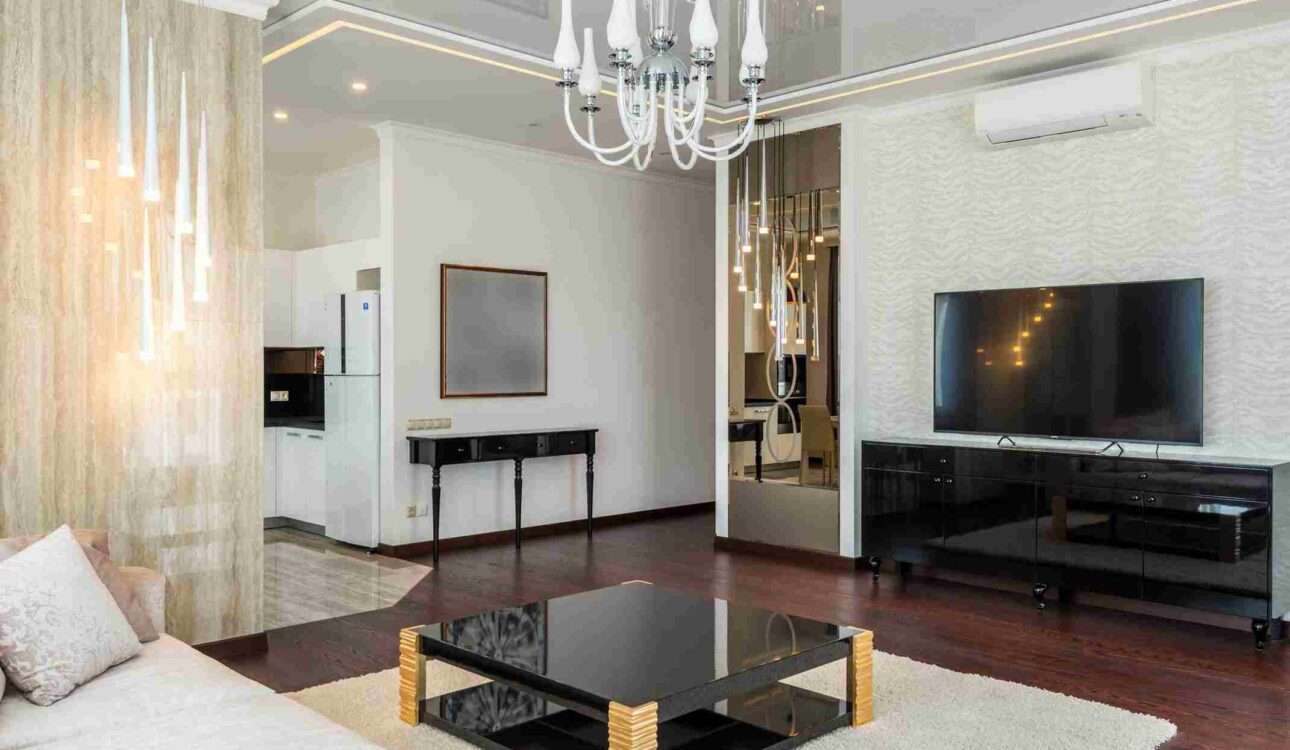
Luxury Home Interior
Luxury interiors often use premium-looking finishes, carefully planned lighting, elegant furniture, textured walls, and sophisticated detailing.
Luxury does not necessarily mean using expensive materials everywhere. Strategic use of feature elements can create a premium appearance without overwhelming the room.
Room-by-Room Home Interior Ideas
A complete home interior should consider every important room rather than focusing only on the living room.
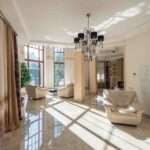
Living Room Interior
The living room is usually one of the most visible areas of a home.
Consider:
- Comfortable seating
- Functional TV unit
- Accent wall
- Layered lighting
- Storage cabinets
- Curtains
- Rugs
- Decorative accessories
- Indoor plants where suitable
Avoid placing too much furniture in a limited space. Adequate circulation is more important than filling every available corner.
Bedroom Interior
A bedroom should feel comfortable, peaceful, and organised.
Important elements include:
- Comfortable bed
- Bedside tables
- Wardrobe
- Dressing area
- Soft lighting
- Practical storage
- Suitable wall colours
- Curtains or blinds
For smaller bedrooms, sliding wardrobes and storage beds can help save floor space.
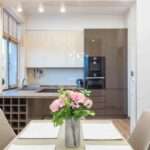
Modular Kitchen
The kitchen needs to balance appearance and functionality.
Popular kitchen layouts include:
- L-shaped kitchen
- U-shaped kitchen
- Parallel kitchen
- Straight-line kitchen
- Island kitchen
The right layout depends on the room dimensions, movement pattern, storage requirements, appliances, and cooking habits.
Dining Area
A dining space does not always require a large separate room.
In compact homes, the dining area can be integrated between the kitchen and living room.
Consider:
- Appropriate table size
- Comfortable seating
- Pendant lighting
- Storage or crockery units
- Easy movement around the table
Entryway
The entrance creates the first impression of your home.
A compact entryway can include:
- Shoe storage
- Mirror
- Console
- Wall lighting
- Small décor elements
- Key storage
The design should remain practical and easy to maintain.
Affordable Home Interior in Vizag: How to Control Your Budget
Creating an attractive home does not necessarily require spending heavily on every feature.
If you are looking for affordable home interior in Vizag, prioritise the elements that have the greatest impact on everyday use.
Budget Priority Checklist
High priority
- Kitchen functionality
- Wardrobes
- Essential storage
- Electrical planning
- Lighting
- Quality hardware
- Comfortable furniture
Medium priority
- TV unit
- False ceiling
- Decorative wall treatments
- Dining storage
- Additional furniture
Optional
- Extensive decorative panelling
- Large statement pieces
- Extra accessories
- Highly customised décor
A practical approach is to divide your budget into essential, functional, and decorative categories before starting the project.
How to Choose Interior Designers in Vizag for Home Projects
Choosing the right professional can make the interior process easier, particularly when your project involves multiple rooms, customised furniture, electrical work, lighting, and installation.
When comparing interior designers in Vizag for home, consider the following factors.
1. Review Their Previous Projects
Look at completed residential projects rather than relying only on promotional images.
Check whether their previous work matches the type of home you have.
2. Discuss Your Requirements
Before finalising a designer, clearly communicate:
- Number of rooms
- Preferred style
- Storage requirements
- Kitchen requirements
- Budget range
- Preferred materials
- Timeline
- Special requirements
3. Understand the Scope of Work
Ask what the quoted service includes.
A project may involve design, material selection, manufacturing, installation, electrical coordination, and other activities.
4. Check Materials and Hardware
Ask about the materials being proposed for:
- Cabinets
- Wardrobes
- Kitchen units
- Countertops
- Hardware
- Flooring
- Wall finishes
Material quality can influence durability and maintenance requirements.
5. Understand the Timeline
Ask for a realistic project schedule and identify important milestones.
This can help reduce confusion during execution.
Home Interior Design Process: Step by Step
A structured process makes it easier to manage a residential interior project.
Step 1: Understand the Home
Start with the floor plan, room dimensions, windows, doors, electrical points, plumbing, and structural limitations.
Step 2: Define Your Requirements
Create a room-by-room list.
For example:
Living room: seating, TV unit, storage and lighting.
Kitchen: cabinets, appliances, countertop and storage.
Bedroom: bed, wardrobe, dressing unit and bedside storage.
Step 3: Choose a Design Style
Select a broad style such as modern, minimalist, contemporary, traditional, or luxury.
You can then choose colours, furniture, materials, and lighting accordingly.
Step 4: Prepare the Budget
Separate the budget into major categories such as furniture, modular work, lighting, electrical work, décor, and installation.
Step 5: Plan the Layout
Decide where furniture and storage will go before purchasing items.
Good space planning can prevent expensive changes later.
Step 6: Select Materials
Compare materials based on durability, maintenance, appearance, availability, and budget.
Step 7: Plan Lighting
Use a combination of general, task, and accent lighting where appropriate.
Step 8: Begin Execution
Once designs, materials, measurements, and specifications are approved, the execution phase can begin.
Step 9: Final Inspection
Check:
- Cabinet alignment
- Door operation
- Hardware
- Electrical fixtures
- Lighting
- Finishes
- Storage functionality
- Surface quality
Interior Design Materials: What Should You Consider?
Material selection can significantly affect the appearance, durability, maintenance, and cost of a home interior.
| Element | Common Considerations |
|---|---|
| Kitchen cabinets | Durability, moisture resistance, hardware |
| Wardrobes | Storage capacity, finish, internal organisation |
| Countertops | Durability, maintenance, appearance |
| Flooring | Cleaning, durability, slip resistance |
| Wall finishes | Maintenance and visual impact |
| Hardware | Strength, smooth operation, longevity |
| Lighting | Efficiency, brightness and ambience |
Rather than selecting a material only because it looks attractive, consider how it will perform during everyday use.
Lighting Ideas for Home Interiors
Lighting can change the atmosphere and functionality of a room.
A useful lighting plan can include three layers.
Ambient Lighting
Provides general illumination throughout the room.
Examples include:
- Ceiling lights
- Recessed lights
- Cove lighting
Task Lighting
Provides focused illumination for specific activities.
Examples include:
- Kitchen counter lighting
- Study lights
- Bedside lights
- Dressing-area lighting
Accent Lighting
Used to highlight particular architectural or decorative features.
Examples include:
- Wall features
- Artwork
- Display shelves
- Textured walls
Combining different lighting layers can create a more flexible environment than relying on a single ceiling light.
Home Interior Checklist
Before starting your project, use this checklist:
Planning
- Measure every room
- Collect the floor plan
- Identify electrical points
- List furniture requirements
- Define storage requirements
- Select a general design style
Budget
- Set an overall budget
- Prioritise essential work
- Compare quotations
- Understand material specifications
- Keep a contingency amount
Design
- Finalise room layouts
- Select colours
- Plan lighting
- Select furniture
- Plan storage
- Review kitchen layout
Execution
- Confirm measurements
- Approve materials
- Check hardware
- Monitor installation
- Inspect finishing quality
- Complete final walkthrough
Common Home Interior Mistakes to Avoid
Even attractive designs can become inconvenient when planning is overlooked.
Overcrowding the Room
Too much furniture can make a room feel smaller and restrict movement.
Ignoring Storage
Insufficient storage can quickly lead to clutter.
Choosing Appearance Over Function
A beautiful cabinet is less useful if it does not provide enough accessible storage.
Poor Lighting Planning
Lighting should be considered during the design stage rather than added as an afterthought.
Not Considering Maintenance
Some finishes may require more cleaning or maintenance than others. Consider your daily routine before selecting them.
Changing Designs During Execution
Frequent changes after manufacturing or installation has started can increase costs and delay the project.
How to Make a Small Home Look More Spacious
If you have a compact apartment or smaller home, thoughtful design can improve the sense of space.
Try these approaches:
- Use furniture appropriate to the room size.
- Keep pathways clear.
- Use built-in storage.
- Consider sliding wardrobe doors.
- Use lighter visual elements where appropriate.
- Avoid excessive decorative items.
- Use mirrors strategically.
- Plan lighting carefully.
- Use multifunctional furniture.
- Maintain visual consistency between connected spaces.
The objective is not simply to make the home look empty. It is to create enough visual and physical breathing space for comfortable everyday living.
Home Interior in Vizag: Key Takeaways
A successful home interior in Vizag should be designed around the homeowner’s lifestyle, available space, budget, and long-term requirements.
The most important considerations are:
- Start with accurate measurements and space planning.
- Define your requirements before selecting furniture.
- Choose a practical interior style.
- Prioritise kitchen and storage functionality.
- Select materials based on durability and maintenance.
- Plan electrical and lighting requirements early.
- Compare professional interior services carefully.
- Keep the design practical rather than following trends blindly.
- Inspect materials and workmanship before final completion.
For homeowners considering affordable home interior in Vizag, careful prioritisation can help create a stylish and functional home without spending unnecessarily on features that provide little everyday value.
The cost of home interior in Vizag depends on factors such as home size, number of rooms, materials, furniture requirements, customisation, hardware, finishes, and project scope. A detailed quotation based on your floor plan is more useful than relying on a general price estimate.
Compare their residential portfolio, design approach, material specifications, project scope, estimated timeline, communication process, and quotation. Ask clear questions before signing an agreement.
Depending on the service provider, a project may include space planning, furniture layouts, modular kitchen design, wardrobes, lighting, material selection, customised furniture, installation, and project coordination.
Start by identifying essential requirements and prioritising kitchen, storage, lighting, and frequently used furniture. Compare material options and avoid unnecessary customisation where it does not add meaningful value.
Modern and minimalist approaches can work well for smaller homes because they generally focus on clean layouts, practical furniture, organised storage, and reduced visual clutter. The final choice should depend on the home’s layout and the homeowner’s preferences.