
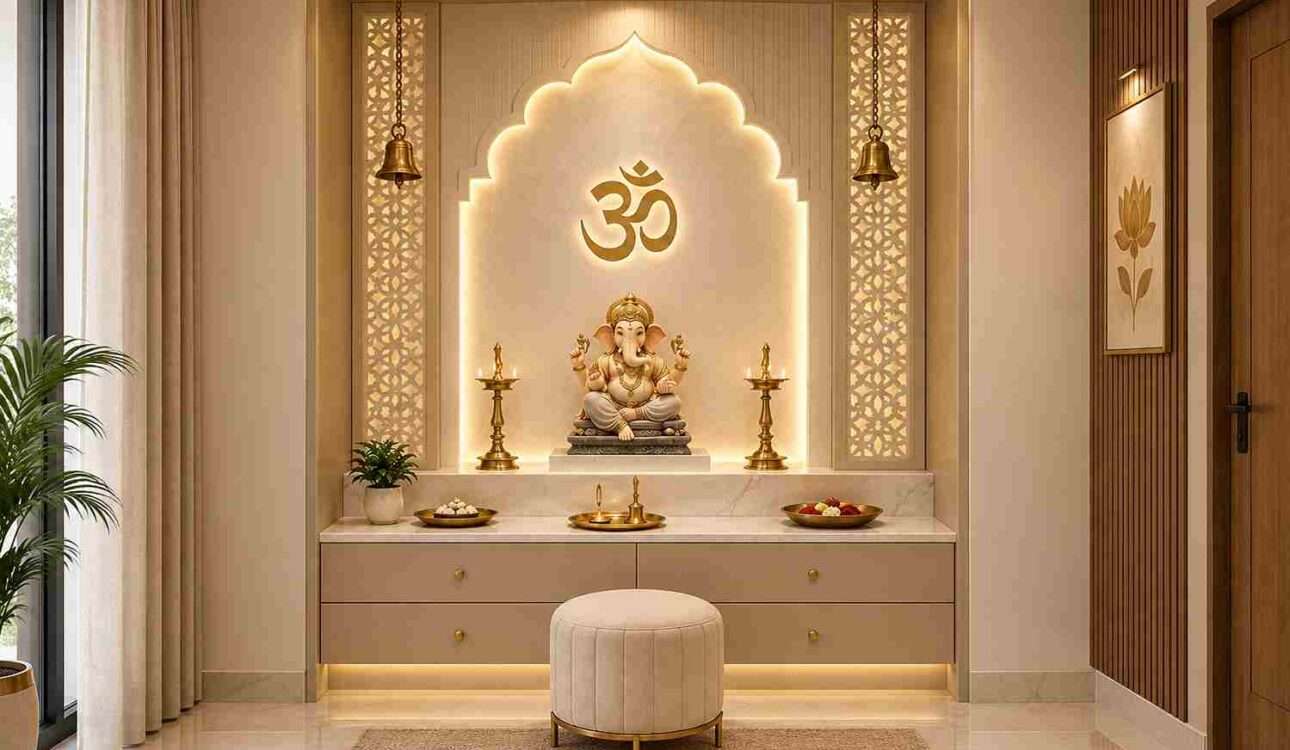
A home mandir is more than just a place for prayer. It can become a peaceful corner where you begin your day, spend a few quiet moments, and create a sense of calm within your home. With thoughtful planning, even a compact apartment can have a beautiful and functional pooja space.
If you are looking for a mandir design for home in Vizag, there are many options to consider, from traditional wooden temples to modern wall-mounted units and compact pooja corners. The right design depends on your available space, interior style, storage requirements, lighting, materials, and personal preferences.
Vizag homes can benefit from designs that balance traditional Indian aesthetics with contemporary interiors. Whether you have a spacious independent house or a compact apartment, a well-planned mandir can complement the overall décor without making the room feel crowded.
What Makes a Good Mandir Design for Home in Vizag?
A good home mandir should be peaceful, practical, easy to maintain, and visually connected with the rest of your interior design.
Before choosing a design, consider these important factors:
- Available floor or wall space
- Size and number of idols
- Storage requirements for pooja items
- Natural light and ventilation
- Electrical points for lighting
- Material and finish
- Ease of cleaning
- Overall home décor
- Privacy and location of the pooja area
The best mandir design for home in Vizag is not necessarily the largest or most decorative option. A thoughtfully designed compact mandir can look more elegant than an oversized unit that occupies too much space.
Popular Mandir Design Ideas for Vizag Homes
There is no single style that works for every home. You can choose a traditional, modern, minimalist, or fusion design depending on your interiors.
Wooden Mandir Design for Home in Vizag
Wood remains one of the most popular choices for Indian home temples because it creates a warm and traditional appearance.
A wooden mandir design for home in Vizag can feature carved panels, traditional arches, jaali work, shelves, drawers, or a simple wooden frame.
For a modern home, you can combine natural wood tones with neutral walls and warm lighting. If your interiors already contain wooden furniture, matching the mandir finish with existing furniture can create a more cohesive appearance.
Advantages of wooden mandirs:
- Warm and traditional appearance
- Works well with modern and classic interiors
- Available in compact designs
- Can include hidden storage
- Easy to customize
- Suitable for wall-mounted or floor-standing units
For smaller homes, avoid excessive carving and heavy decorative elements. A clean wooden frame with subtle detailing can provide a sophisticated appearance.
Small Mandir Design for Home in Vizag
Limited space does not mean you need to compromise on your pooja area.
A small mandir design for home in Vizag can be created using a wall-mounted temple, compact cabinet, dedicated niche, or corner unit.
Wall-mounted designs are particularly useful when floor space is limited. They keep the area underneath free and can make a small room feel more open.
For a compact mandir, consider:
- One main shelf for idols
- A small drawer for pooja essentials
- Warm LED lighting
- A decorative back panel
- Minimal accessories
- Easy-to-clean surfaces
A small mandir should not feel overloaded. Keeping the design simple allows the idols and spiritual character of the space to remain the main focus.
Wall-Mounted Mandir
A wall-mounted mandir is a practical choice for apartments and contemporary homes.
The unit can be installed on an appropriate wall with enough space for idols, lamps, and basic pooja items. Storage drawers can be incorporated below the main platform.
This design is especially useful when you want a dedicated temple without using valuable floor space.
Mandir With Jaali Partition
A jaali partition can create a visual separation between the mandir and the rest of the room without completely closing the space.
Wooden, MDF, metal, or CNC-cut panels can be used depending on the desired appearance.
This approach works well in open-plan living rooms where you want the mandir to feel separate but still connected to the main interior.
Mandir With Backlit Panel
Lighting can completely change the appearance of a home mandir.
A backlit panel behind the idols can create a soft and peaceful atmosphere. Warm white lighting is generally more comfortable for a relaxing prayer space than harsh lighting.
You can combine:
- Backlit marble-look panels
- Wooden panels
- Fluted surfaces
- Decorative jaali
- Simple arches
- Soft LED strips
Avoid excessive lighting. The goal is to highlight the mandir rather than make it look like a brightly illuminated display cabinet.
Traditional vs Modern Mandir Designs
Both traditional and modern mandirs can work beautifully in Vizag homes. The choice mainly depends on your home’s architecture and interior style.
| Feature | Traditional Mandir | Modern Mandir |
|---|---|---|
| Appearance | Detailed and decorative | Clean and minimal |
| Materials | Wood, marble, carved elements | Wood, glass, MDF, stone finishes |
| Decoration | More ornamental | Subtle detailing |
| Storage | Often integrated | Hidden or modular |
| Best for | Classic interiors | Contemporary apartments |
| Maintenance | May require more cleaning | Usually easier to maintain |
You can also combine both approaches. For example, a modern wooden cabinet can include a traditional arch or jaali detail to create a contemporary-traditional fusion.
How to Choose the Right Mandir Size
The size of your mandir should be proportional to the room.
A common mistake is selecting a temple based only on how attractive it looks in a showroom or online image. The same design may look completely different when placed inside a smaller room.
Before finalizing the unit, measure:
- Available wall width
- Available height
- Floor clearance
- Door and window positions
- Nearby furniture
- Electrical points
- Storage requirements
Leave enough surrounding space so that the mandir does not appear squeezed between other furniture.
For Small Apartments
Choose a compact wall-mounted or niche-style mandir. Keep the design visually light and use limited decorative elements.
For Medium-Sized Homes
A dedicated wall unit with storage can provide a good balance between appearance and functionality.
For Large Homes
A separate pooja room or larger temple unit can incorporate additional storage, decorative doors, traditional detailing, and seating space.
Step-by-Step Guide to Planning a Home Mandir
Step 1: Identify the Location
Start by identifying a suitable area for your mandir. Consider privacy, accessibility, natural light, ventilation, and the overall layout of your home.
Avoid choosing a location simply because an empty wall is available. The mandir should fit naturally into the room.
Step 2: Measure the Space
Take accurate measurements before selecting furniture or ordering a customized unit.
Measure the wall width, available height, floor area, and clearance around doors and furniture.
Step 3: Select the Design Style
Decide whether you prefer:
- Traditional
- Modern
- Minimalist
- Wooden
- Contemporary
- Traditional-modern fusion
Your mandir should complement your existing interiors rather than look completely disconnected from them.
Step 4: Select Materials
Wood is ideal for a warm appearance, while marble and stone-look surfaces can create a more luxurious aesthetic.
For budget-conscious designs, quality engineered wood or MDF with an appropriate finish can also be considered.
Choose materials that are easy to clean and suitable for the environment of your home.
Step 5: Plan Storage
Pooja spaces often require storage for incense, lamps, cotton wicks, prayer books, containers, and other essentials.
Drawers and cabinets can keep these items organized and prevent the mandir from appearing cluttered.
Step 6: Plan Lighting
Consider the electrical requirements before installation.
Warm LED lighting can be placed around the back panel, shelves, or architectural frame. Make sure wiring is properly concealed for a clean appearance.
Step 7: Add Decorative Details
Finally, introduce small decorative details such as bells, traditional patterns, flowers, brass accessories, or subtle artwork.
Do not overcrowd the space. A few carefully selected details can have a stronger visual impact.
Mandir Materials: Which One Should You Choose?
The material affects both the appearance and maintenance of your temple.
| Material | Look | Maintenance | Best For |
|---|---|---|---|
| Solid Wood | Warm and traditional | Moderate | Classic homes |
| Engineered Wood | Modern and versatile | Easy | Apartments |
| MDF | Clean and customizable | Easy | Budget-friendly designs |
| Marble | Premium and traditional | Moderate | Luxury interiors |
| Stone Finish | Elegant | Moderate | Contemporary homes |
| Glass Accents | Modern | Higher cleaning needs | Modern interiors |
When choosing materials, think beyond appearance. The mandir is used regularly, so the surface should be easy to clean and durable enough for everyday use.
How to Make a Small Mandir Look Bigger
A compact pooja space can still look spacious and elegant with the right design choices.
Use Light Visual Elements
Avoid very heavy structures in a small room. Slim shelves, simple frames, and clean lines can make the area feel more open.
Use Vertical Space
If floor space is limited, use the wall height intelligently. Vertical storage and decorative framing can provide functionality without occupying additional floor area.
Add Warm Lighting
Soft lighting can create depth and make the mandir feel more welcoming.
Keep the Area Organized
Clutter can make even a large mandir look smaller. Keep frequently used items in drawers or cabinets.
Match the Interior
Using colors and materials that complement the surrounding room can make the mandir feel integrated rather than visually separate.
Mandir Design Checklist
Before finalizing your design, use this simple checklist:
- Measure the available space
- Decide between wall-mounted and floor-standing
- Choose traditional or modern styling
- Select durable materials
- Plan idol placement
- Include storage if needed
- Plan electrical points
- Choose suitable lighting
- Consider cleaning and maintenance
- Coordinate the design with existing interiors
- Keep sufficient movement space
- Review the final design before installation
Common Mistakes to Avoid
Even an attractive mandir can become inconvenient if the planning is not done properly.
Choosing the Wrong Size
A temple that is too large can make a small room feel crowded, while an extremely small unit may not provide enough space for daily use.
Ignoring Storage
Without storage, pooja items may remain outside the temple and create visual clutter.
Using Too Much Decoration
Multiple patterns, colors, lights, and accessories can make the space look busy.
Poor Lighting Planning
Improperly positioned lights can create glare or shadows. Plan lighting along with the design instead of adding it at the last stage.
Forgetting Maintenance
Intricate carvings and complicated surfaces may look beautiful but can take more time to clean.
Choose a design that you can comfortably maintain over the long term.
How Interior Design Can Improve Your Mandir Space
A professionally planned mandir does not have to look separate from the rest of your home.
An interior designer can help coordinate the temple with your flooring, wall colors, furniture, storage, lighting, and overall layout.
For example, a contemporary living room may benefit from a sleek wooden mandir with warm lighting, while a traditional interior could use carved wood, marble, or decorative jaali elements.
The goal is to create a space that feels intentional and harmonious.
Choosing a Mandir Design for Your Vizag Home
When searching for a mandir design for home in Vizag, focus on your home’s actual requirements instead of copying a design exactly from another property.
Consider:
Space: How much room can you dedicate to the mandir?
Style: Does your home have a modern, traditional, or mixed interior?
Material: Do you prefer wood, marble, engineered wood, or another finish?
Storage: Do you need drawers and cabinets?
Maintenance: How much time do you want to spend cleaning the temple?
Budget: What level of customization and material quality fits your project?
A good design answers all of these questions before installation begins.
Final Thoughts
The right mandir design for home in Vizag can bring beauty, functionality, and a peaceful atmosphere into your home. Whether you choose a traditional wooden temple, a modern wall-mounted unit, or a small mandir design for home in Vizag, thoughtful planning is more important than size or decoration.
Focus on proportion, materials, storage, lighting, cleanliness, and how naturally the mandir fits into your existing interior.
If you are planning a new home or renovating your existing space, consider the mandir as part of the complete interior design rather than treating it as an afterthought. A carefully designed pooja space can become one of the most meaningful and visually appealing corners of your home.
The best design depends on your home’s size, interior style, storage needs, and available space. Wooden, wall-mounted, compact, and traditional-modern designs are all suitable options when planned correctly.
Yes. A wooden mandir design for home in Vizag can work very well in modern homes. A simple wooden frame with clean lines, concealed storage, and warm lighting can create a contemporary appearance while maintaining a traditional feel.
A wall-mounted or niche-style temple is often practical for a small apartment. It uses vertical wall space while keeping the floor area open.
Storage depends on how many pooja items you regularly use. A compact drawer or cabinet may be enough for a small mandir, while larger temples can include multiple drawers and concealed cabinets.
Use a balanced combination of quality materials, warm lighting, clean detailing, organized storage, and complementary colors. Avoid excessive decoration and choose a design that suits the overall interior of your home.